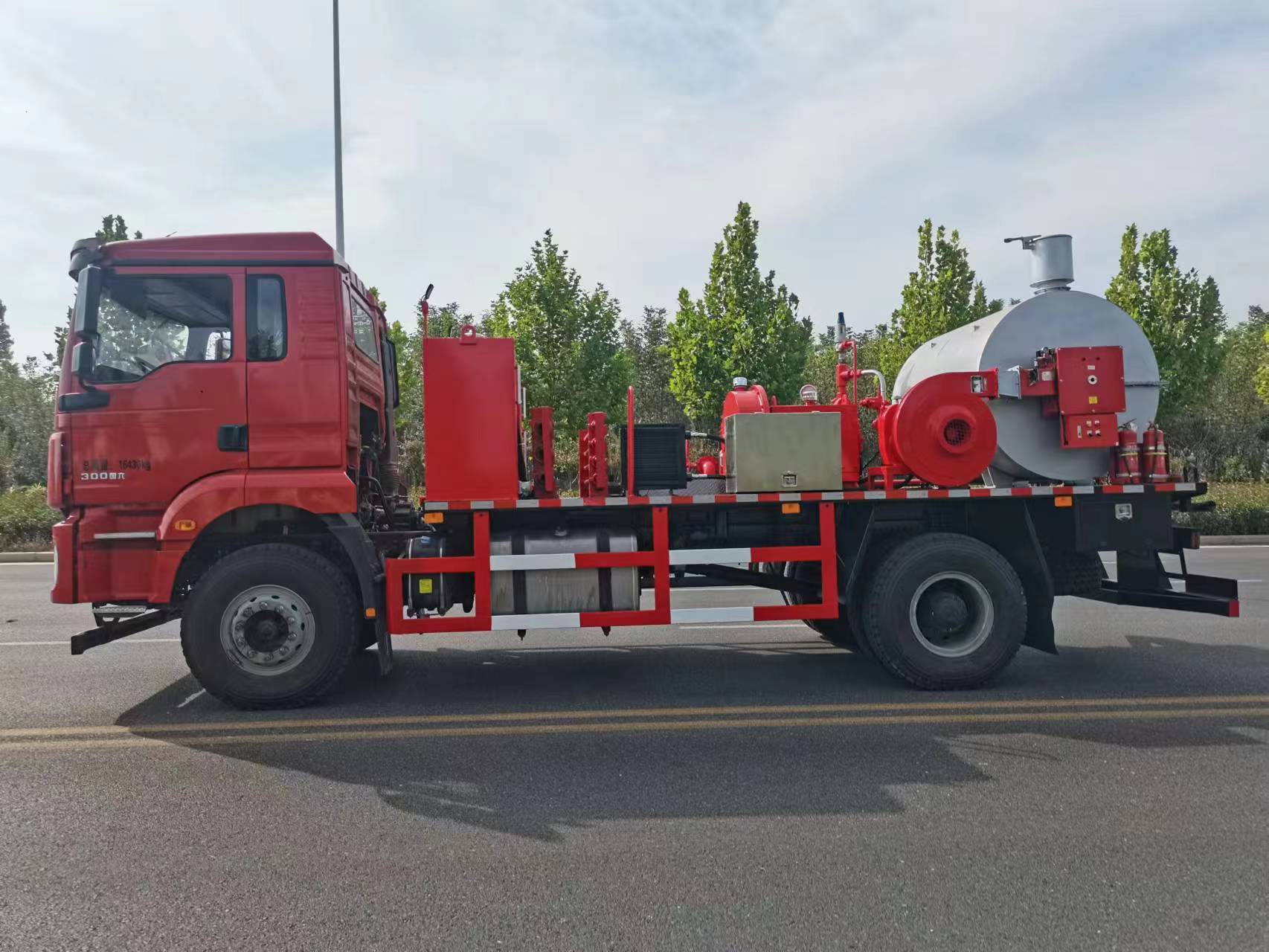
Equipment selection
Hot Oil Flushing Unit Applications and How It Works
See how a hot oil flushing unit works, where it is used, which site interfaces matter and what operators should monitor during field service.
Read guide →Technical guidance for hot oil flushing unit selection, procurement, factory testing, commissioning, field operation and lifecycle planning.
Use these guides to prepare a duty, compare proposals, plan inspection and commissioning, and organize reliable field operation.
See how a hot oil flushing unit works, where it is used, which site interfaces matter and what operators should monitor during field service.
Read guide →Compare Hot Oil Flushing Unit package configurations against the real operating envelope, field logistics, maintainability and lifecycle requirements.
Read guide →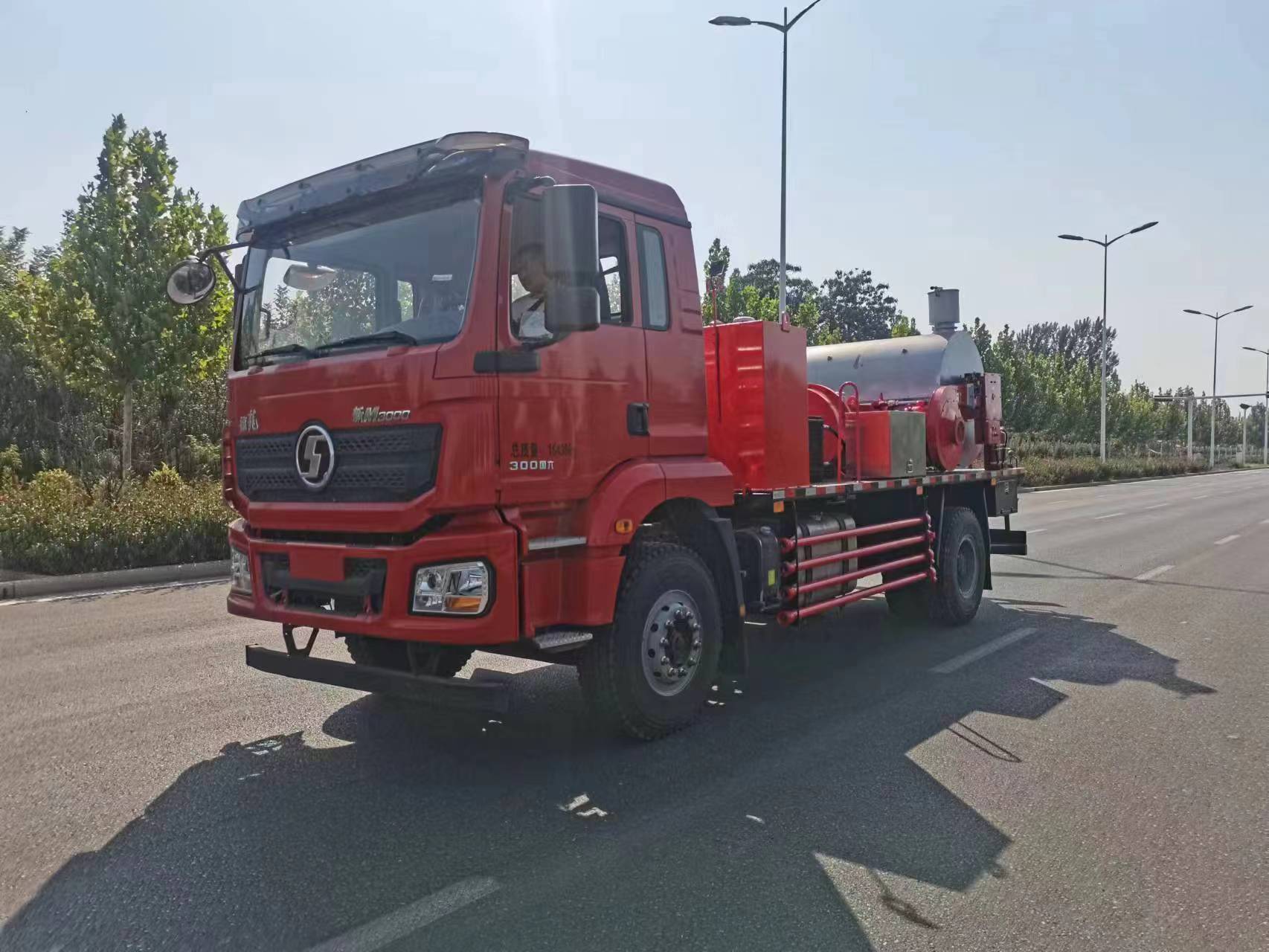
Learn how to size hot oil flushing unit pressure, flow, capacity and auxiliary systems. Use this engineering checklist before requesting a quotation.
Read guide →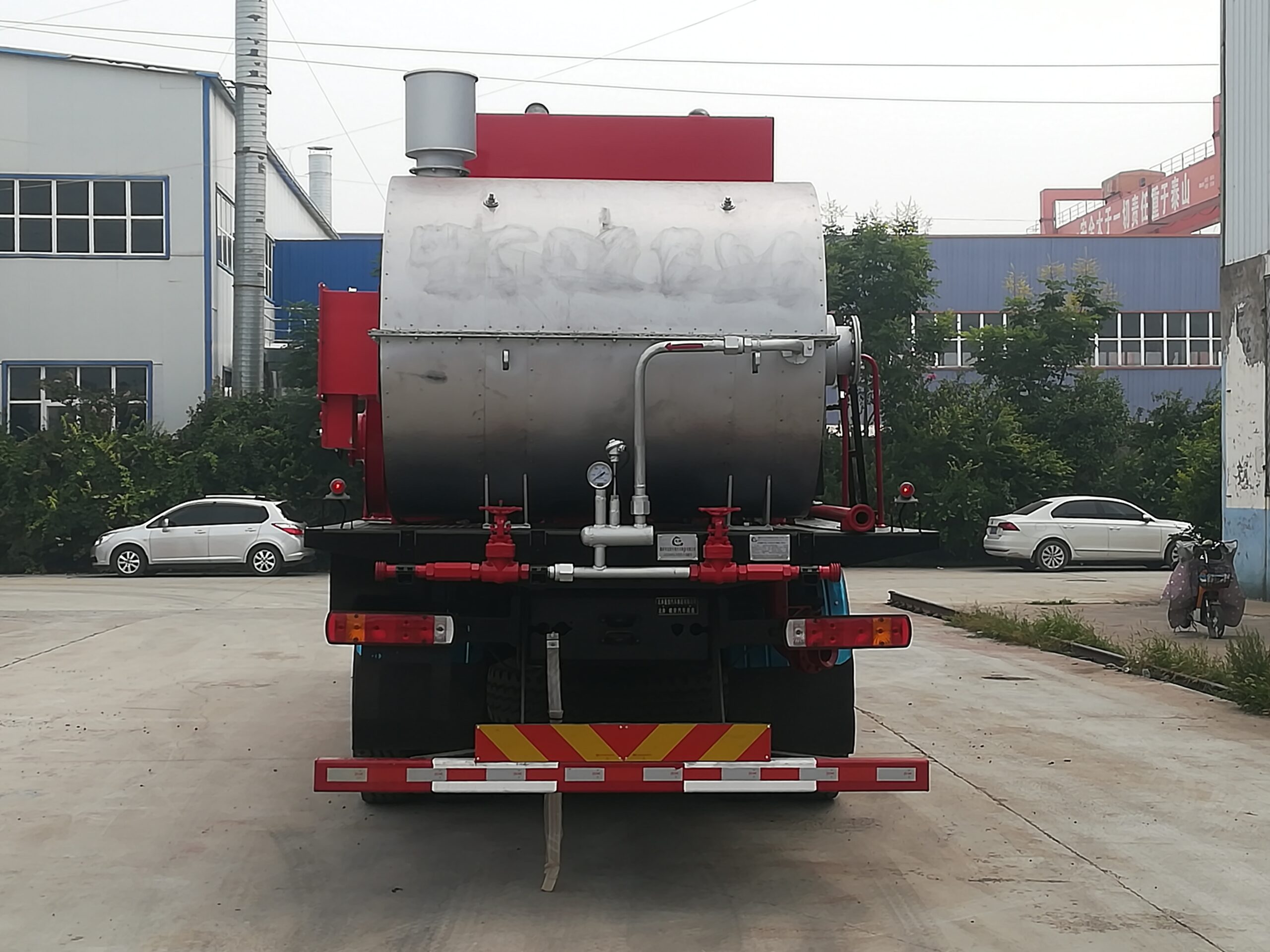
A hot oil flushing job needs a planned destination for recovered liquid and deposits, including material that cannot be returned directly to the heater.
Read guide →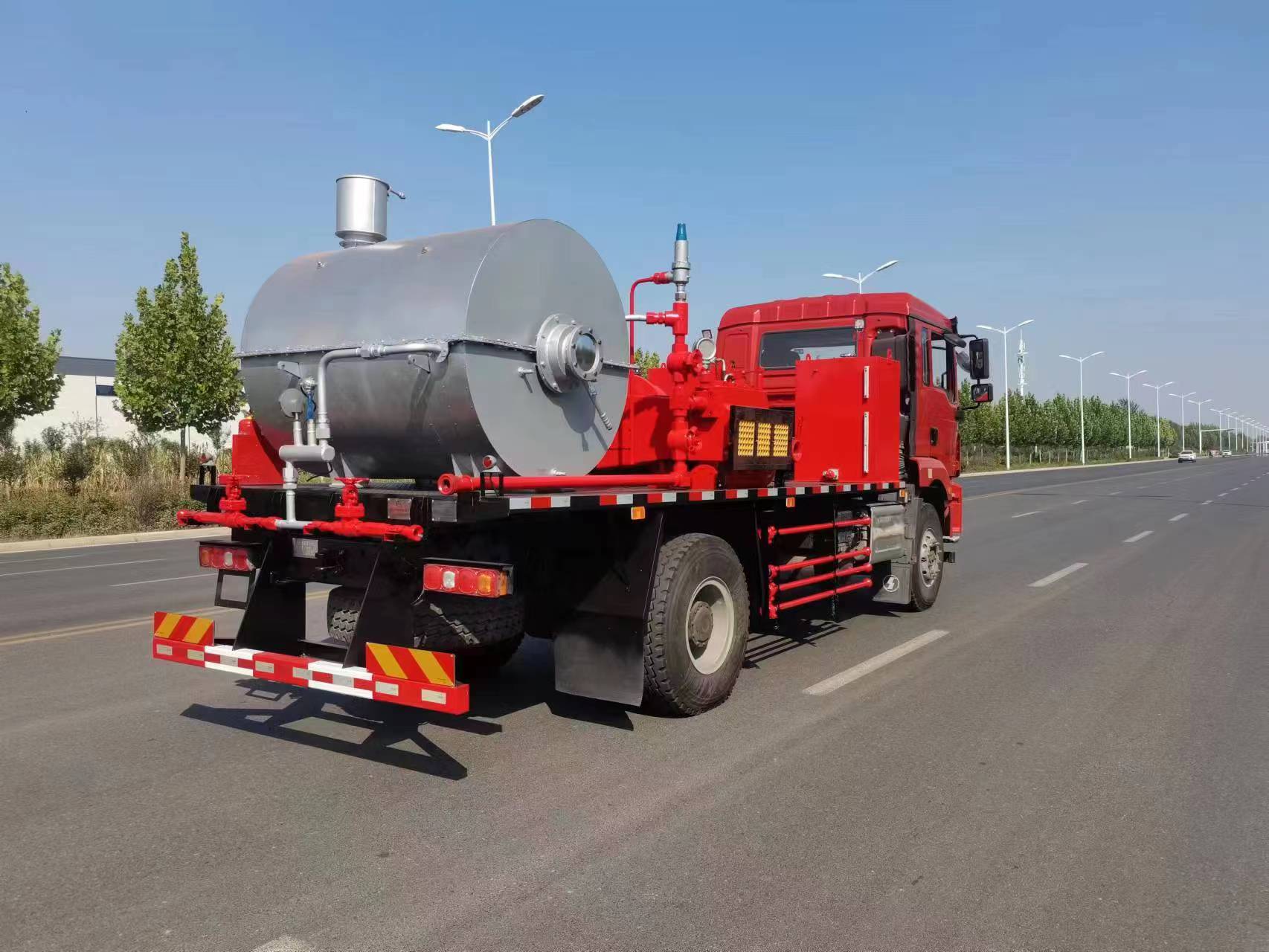
Use this Hot Oil Flushing Unit FAT framework to verify workmanship, controls, protection functions, documentation and agreed performance before shipment.
Read guide →Understand hot oil flushing unit price drivers, total landed cost, operating cost and the information suppliers need for an accurate quotation.
Read guide →The operating data, site constraints, documentation and commercial boundaries buyers should define before requesting a hot oil flushing unit quotation.
Read guide →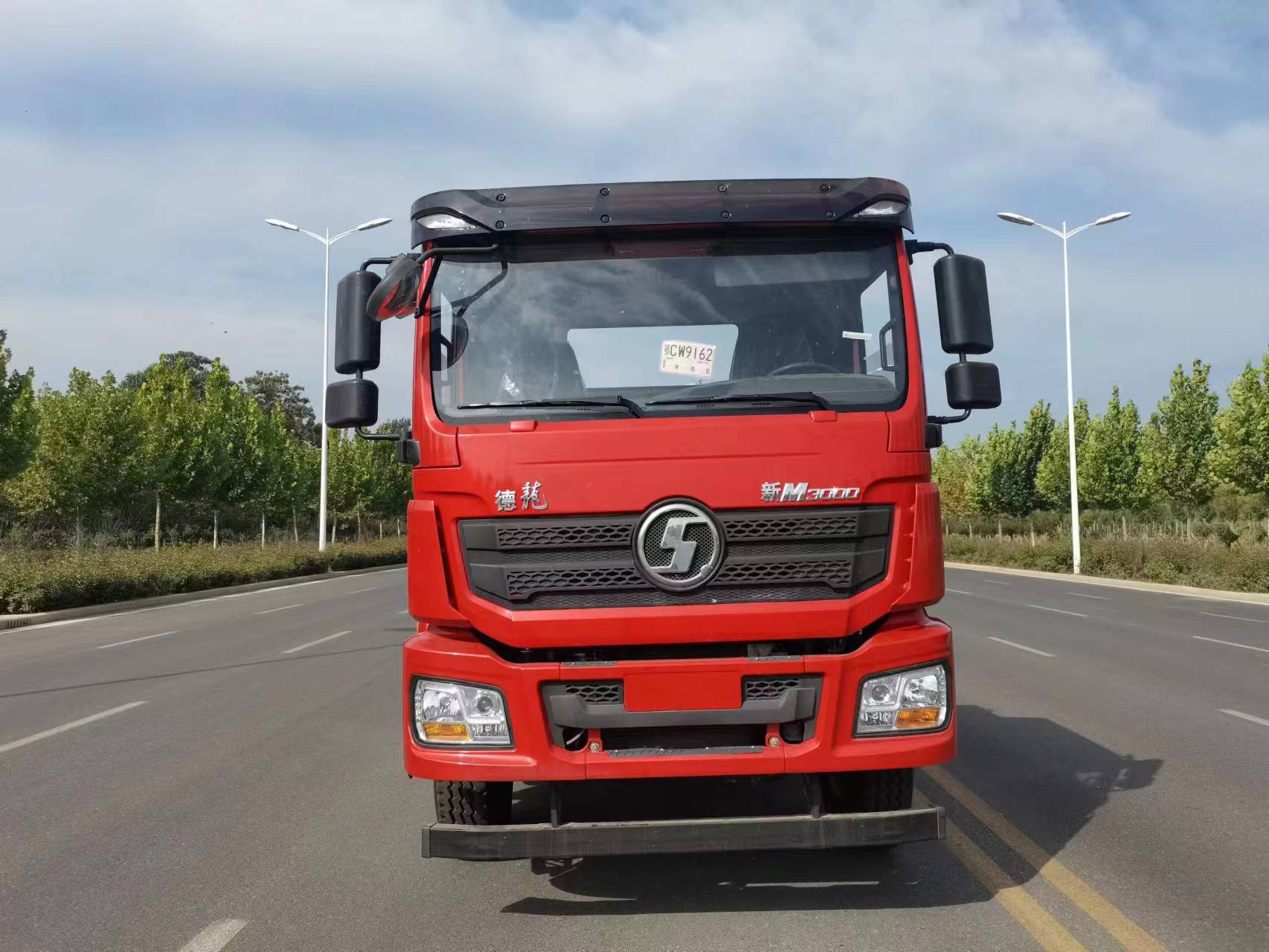
Evaluate a hot oil flushing unit manufacturer using engineering, quality, testing, documentation, customization and support criteria.
Read guide →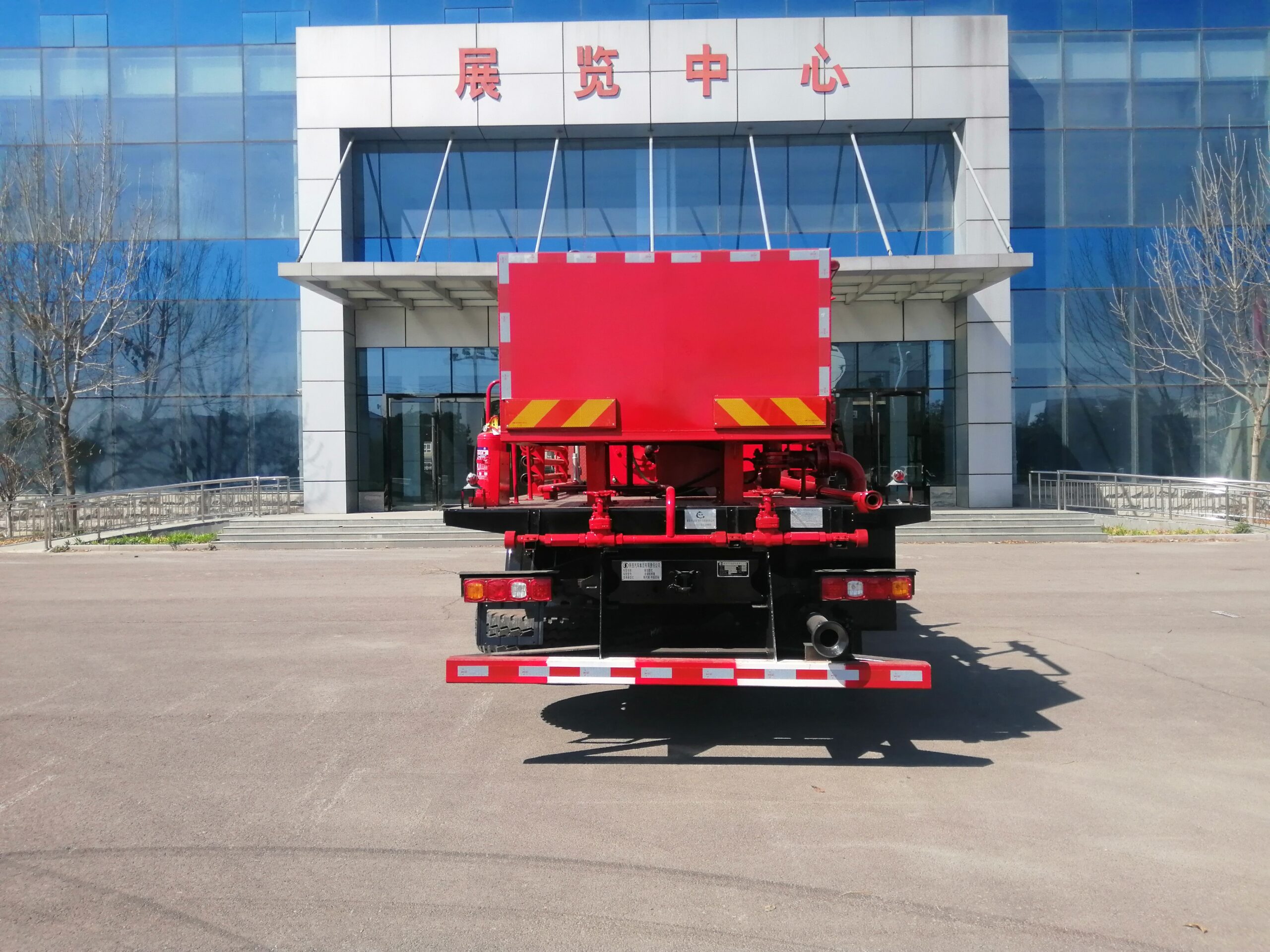
Investigate falling hot oil flushing heater temperature by comparing inlet conditions, circulation rate, instruments, combustion and heat-transfer performance.
Read guide →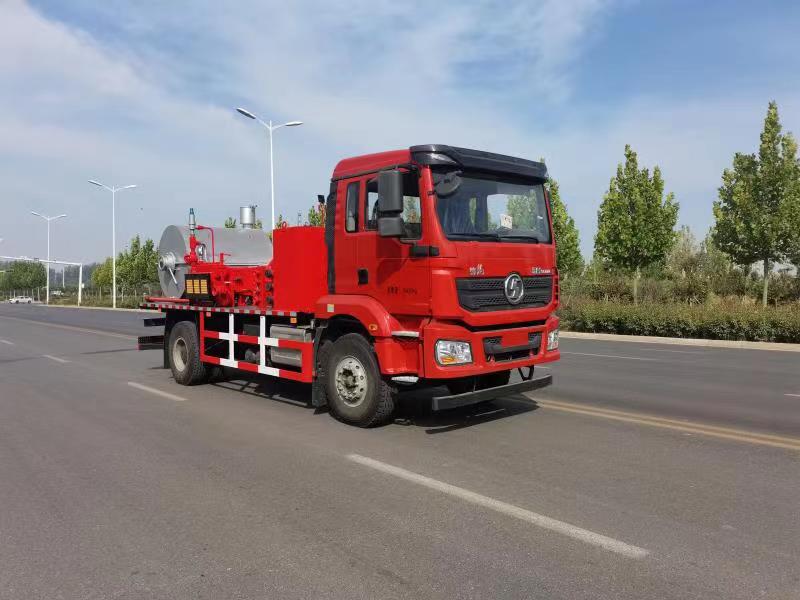
Use this hot oil flushing unit maintenance checklist to plan inspections, troubleshoot common symptoms and prepare critical spare parts.
Read guide →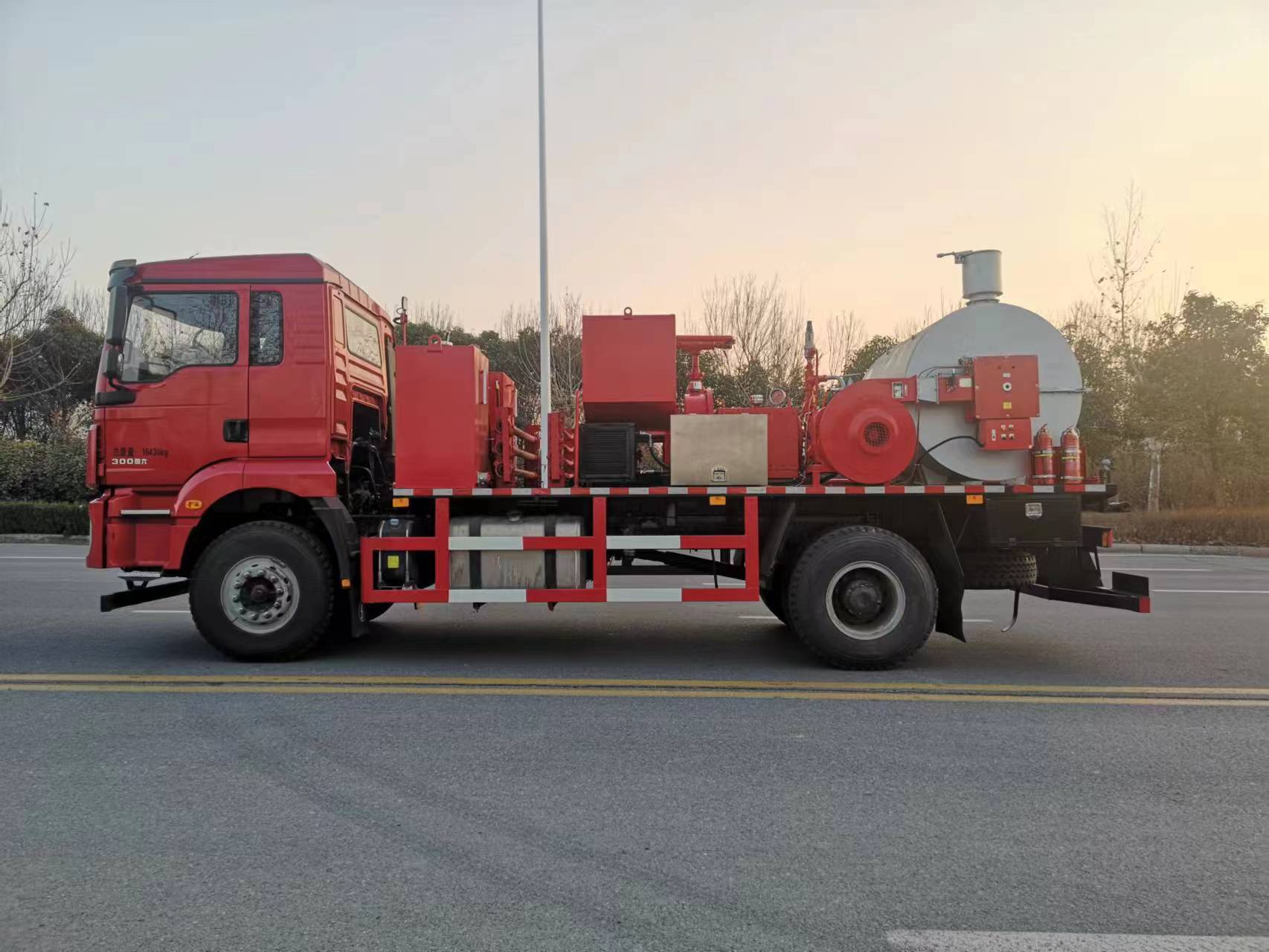
Build a practical hot oil flushing unit operator training and daily inspection program around startup, normal duty, shutdown and abnormal conditions.
Read guide →
Review hot oil flushing unit process fluids, wetted materials, seals, temperature limits and cleaning requirements before approving a field configuration.
Read guide →Specify Hot Oil Flushing Unit cold-weather, hot-climate, high-altitude and remote-site features using defined field conditions instead of a generic rating.
Read guide →Plan Hot Oil Flushing Unit site readiness, mechanical and electrical interfaces, pre-start checks, functional tests, operator training and project handover.
Read guide →Prepare a hot oil flushing unit job by confirming duty data, access, interfaces, crew responsibilities, permits and contingency actions before mobilization.
Read guide →Define hot oil flushing unit alarms, trips, emergency shutdown, hazardous-area interfaces and verification records for the actual operating location.
Read guide →
Plan hot oil flushing unit fuel, power, water, air, drainage, return handling and connection boundaries using a documented job duty and site survey.
Read guide →
Heater outlet temperature describes only one point in a hot oil flushing circuit. Review the equipment requirements and field evidence.
Read guide →
Heating a storage tank with a hot oil truck is a different duty from circulating through a well. Review the equipment requirements and field evidence.
Read guide →