Define the acceptance questions before the arrangement
Identify the relevant workmanship, control, thermal and circulation questions for the ordered unit. Keep those questions connected to actual supplied equipment and contractual boundaries. A generic factory-tested statement is incomplete without understandable coverage. Ask the provider to explain what its proposed loop can demonstrate and which requirements need other evidence, rather than assume that an available test arrangement automatically represents every intended field assignment and receiving condition.
Record the actual recirculation setup
Identify test fluid, inventory, relevant temperatures, pump configuration and connected equipment. A recirculating tank can develop different conditions over time from an external receiving path. Keep actual setup and time history available for responsible assessment. Procurement should not infer continuous once-through performance, complete well heat delivery or actual deposit removal from a tank eventually reaching a desired indication during a different internal circulation case.
Keep measured conditions and observations together
Request relevant simultaneous flow, pressure and temperature records with their locations, durations and instrument references. Separate readings collected at different moments may not describe one accepted operating case. Ask which quantities are measured directly and which are calculated or assessed. The evidence should support its stated question without treating a sensor certificate, maximum screen reading or isolated burner-input figure as complete proof of useful delivered thermal and circulation duty.
Identify what the loop does not represent
Ask which external connection, receiving-system, fluid, environmental or treatment questions remain outside the demonstration. A useful factory test does not need to reproduce every field condition, but its limitations must be retained. State the proposed supplementary evidence and remaining competent site review. Do not turn an appropriate internal equipment check into a guarantee of heat at an unspecified deposit, universal fluid compatibility or a particular improvement in well production.
Retain the tested configuration at handover
Identify actual hardware, relevant controls, fluid basis and accepted deviations in the final report. A later coil, pump or software change may affect the original evidence. Keep outstanding items and responsibility for their resolution explicit before the supplied duty is accepted. The purchaser should be able to tell what was actually demonstrated and what remains conditional without reconciling conflicting early brochures, unlabelled videos and records for another reference configuration.
Use the factory loop as defined evidence rather than a universal simulation
Require bidders to connect actual test conditions to the acceptance questions they answer. Keep supplied-unit performance, external heat delivery and treatment outcomes distinguishable. A clear plan can use recirculation effectively while retaining other service and site questions under competent responsibility. The final order should state meaningful records, configurations and limitations rather than promise full recreation of every well or treat a successful internal warm-up as proof of every external continuous-duty requirement.
Put these items side by side in the bid review
| Purchase item | Question to resolve | Evidence to request |
|---|---|---|
| Setup | What fluid and recirculation arrangement are used? | Identified factory configuration |
| Evidence | Which simultaneous case is demonstrated? | Paired records and instrument basis |
| Limits | What external duty remains unrepresented? | Qualified supplementary and site-check scope |
Suggested wording for the quotation request
Define the hot oil unit’s closed-loop FAT setup and acceptance questions. Record actual fluid, inventory, pressure-rate and thermal conditions, measurement locations and duration. State what the evidence supports and identify unrepresented external duty, supplementary records and remaining site checks. Avoid treating internal recirculation or tank warm-up alone as proof of complete well heat delivery, unrestricted service or a guaranteed treatment result.
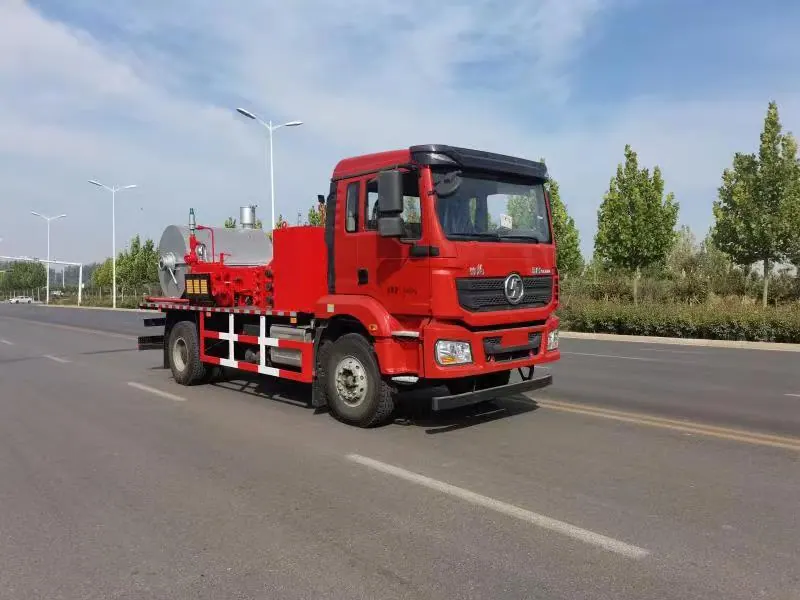
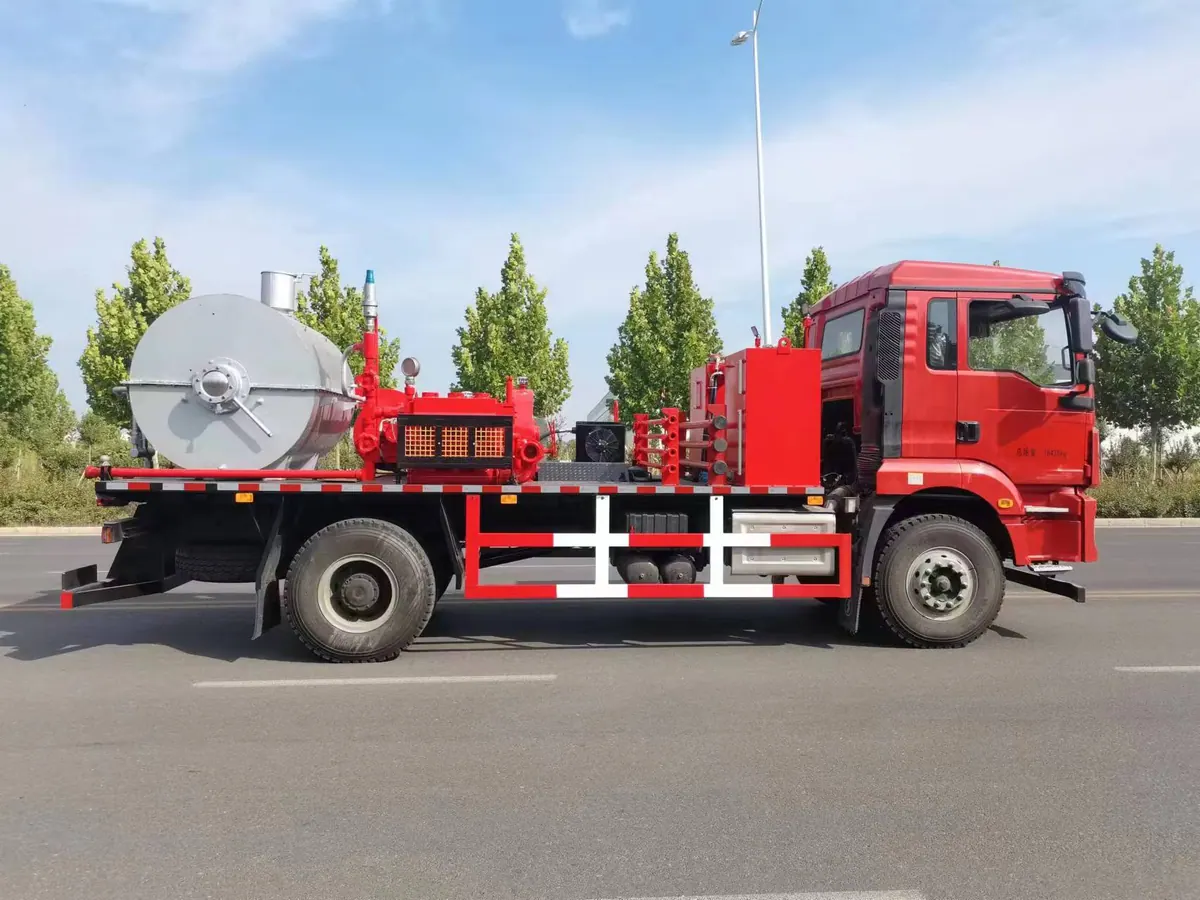
Select the hot oil flushing unit as an identified heating and circulation package for the reviewed fluid and duty. Keep useful thermal output, simultaneous pressure and rate, working duration, coil, burner, pump, tank and control functions on one accepted basis. External receiving connections, fluid recovery, returned-fluid assessment and well-control duties need explicit responsibility boundaries. A component maximum or truck photograph does not establish the complete supplied arrangement. Request relevant provider records, assembly evidence and limitations. Actual operation and maintenance require competent personnel, equipment-specific manufacturer information and approved project procedures rather than an assumed universal treatment sequence.
For the wider equipment scope, consult the Hot Oil Flushing Unit: FAT Checklist. Use the RFQ checklist to collect the supporting documents before requesting a configuration-specific quotation.
Buyer questions
Does reaching a tank temperature establish every external heating duty?
No. Review the actual test boundary and the separate delivered-duty requirement.
Must a useful factory test reproduce every well condition?
No. Retain clear coverage, limitations and appropriate supplementary or site evidence.
Background and supplier contact
NIST metrological traceability background offers related background, not certification of the equipment in a quotation. Applicability must be checked for the project and destination.
Explore the hot oil flushing unit, browse all technical resources, or visit Vance Petroleum for company information. Request a hot oil unit proposal with the fluid, useful heating and circulation cases, duration and destination requirements.