Separate normal control from other temperature functions
Request a description of relevant regulation, indication, alarms and automatic actions for the actual hot oil unit. A temperature display does not identify every function behind it. Ask the provider to connect each supplied function to the relevant device and equipment boundary. The purchasing review should not assume that every measured quantity has a separate protective role or that a general automatic-control label establishes the behavior required by the complete circulation arrangement.
Identify the relevant sensor and action boundaries
Ask where actual sensors are located and which heater or other functions their signals affect. A measurement at one fluid point may answer a different question from another component observation. Keep functions and their limits understandable to the responsible reviewers. Procurement should obtain a usable schedule without choosing operating settings, prescribing sensor placement or declaring a universally adequate temperature-protection architecture for every heater, fluid and external circulation circuit.
Request the basis for any independence claim
If the offer describes a separate high-limit function, ask which actual sensing, power, logic or other dependencies support that statement. A second displayed value does not automatically establish complete independence. Keep relevant provider records linked to the delivered arrangement. The purchaser needs evidence for the claimed property, not an assumption that different component labels or two screen fields resolve every common dependency or configuration-specific protective-function requirement.
Keep external process and wellsite roles explicit
Identify what remains with external circulation equipment, receiving-system functions and approved field supervision. A heater temperature action does not define complete well-control or thermal compatibility for the whole assignment. Ask who resolves proposed external signals and operating authority. Do not infer unrestricted unattended capability, automatic recovery or permission to continue a treatment solely because an internal temperature function is described as automatic in a sales proposal.
Verify the actual function schedule
Agree what device, simulated-condition and installed-system evidence is appropriate to the accepted questions. A displayed alarm demonstration is not necessarily evidence for a different automatic action. Retain final hardware and software references, settings responsibility and open site checks. Later sensor or controller changes should be reviewed against the same function basis instead of silently carrying forward an independence or protective-action claim made for another configuration.
Buy documented behavior rather than a control-screen image
Require the provider to identify actual devices, functions, dependencies and evidence for the selected heater and fluid service. Keep regulation, indication, high-limit behavior and external operating approval distinguishable but reconciled. A useful purchasing response supports competent review without declaring universal protection or complete site-wide autonomy. Retain the accepted schedule and limitations so later changes, additional signals and new fluid assignments receive the relevant assessment rather than inherit a broad automatic-temperature-control statement without proof.
Put these items side by side in the bid review
| Purchase item | Question to resolve | Evidence to request |
|---|---|---|
| Function | Regulation, indication, alarm or automatic action? | Identified function and device schedule |
| Claim | Which dependencies support stated separation? | Actual configuration evidence |
| Verification | Which behavior was really demonstrated? | Qualified device, simulation and site scope |
Suggested wording for the quotation request
Describe the hot oil heater’s temperature-regulation and high-limit functions for the proposed configuration. Identify sensors, actions, relevant dependencies, external interfaces and evidence for any independence claim. State actual and simulated verification coverage and remaining site responsibilities. Do not treat an HMI alarm, duplicate display or automatic-control label as proof of every protective function or unattended operating approval.
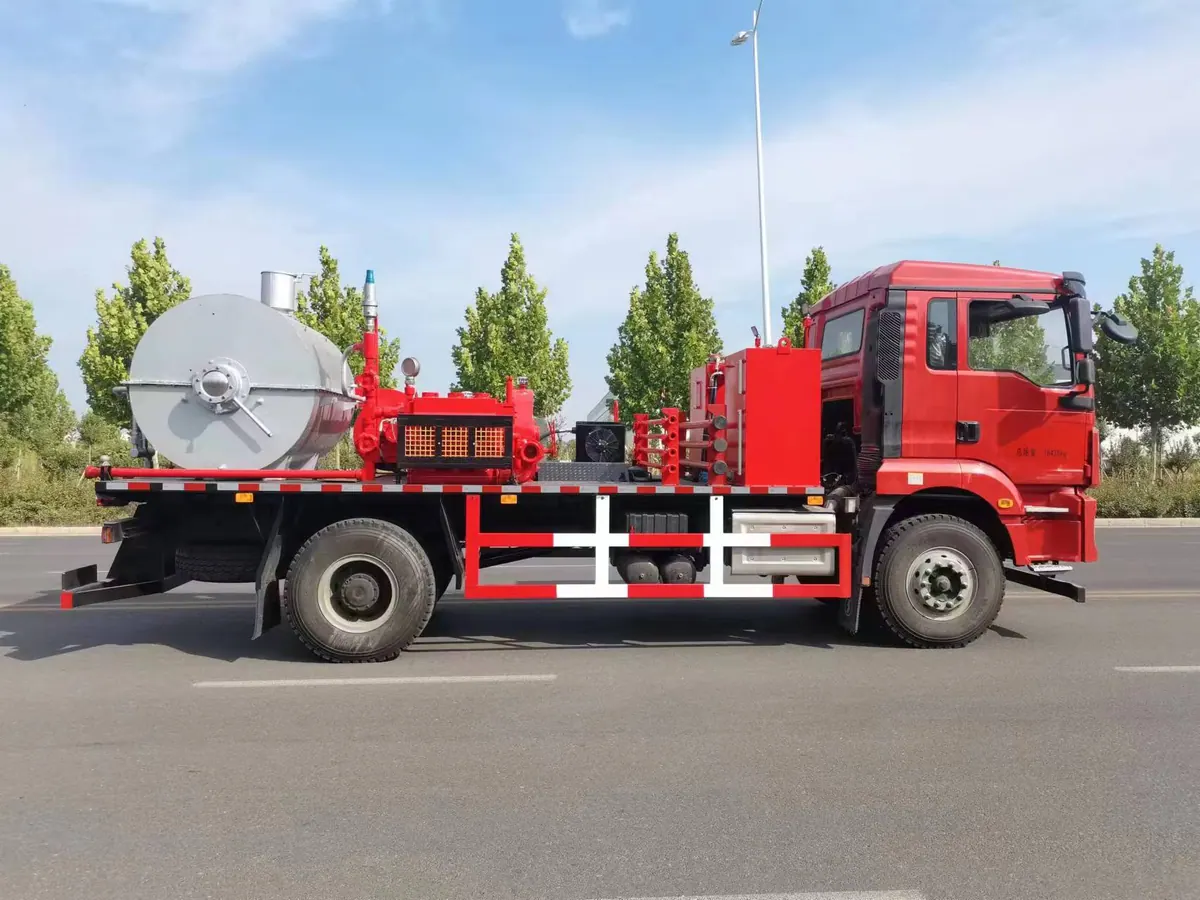
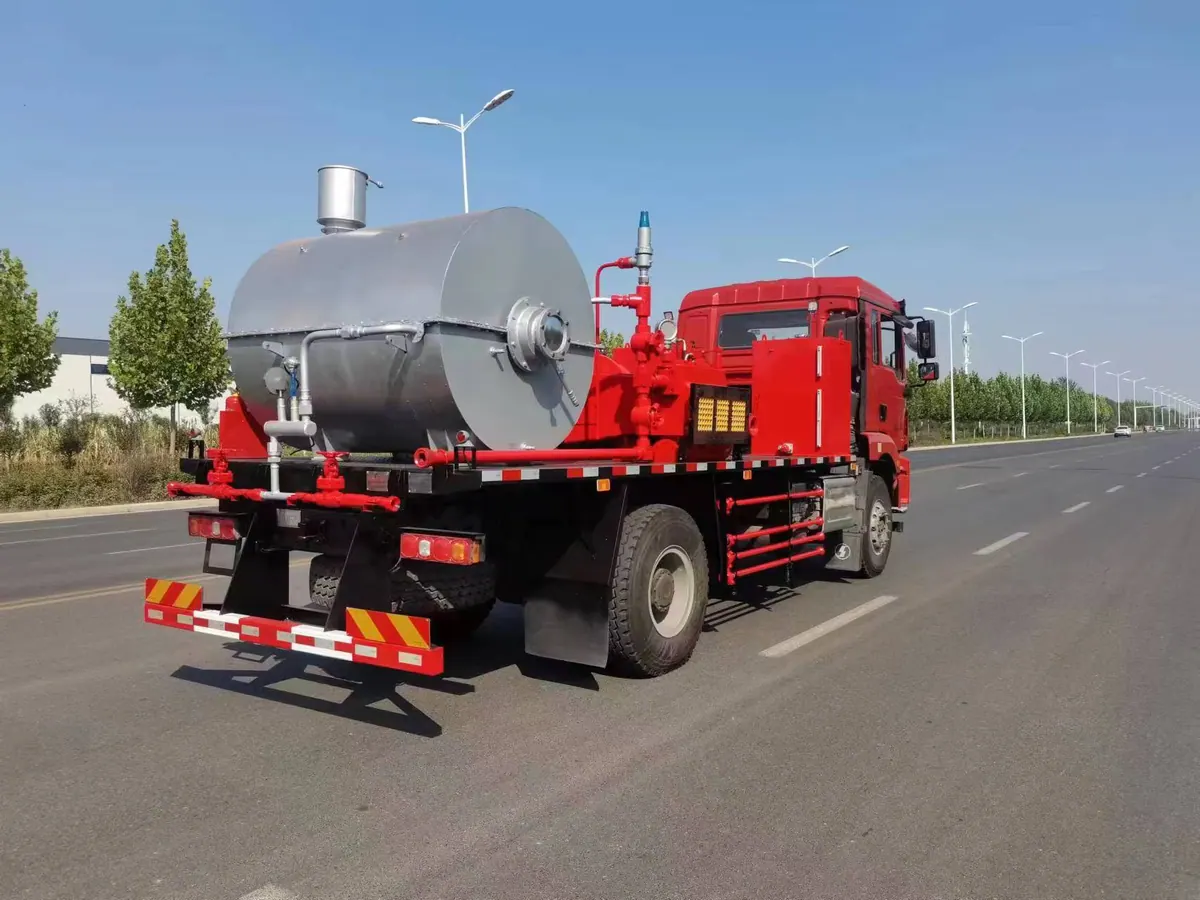
Select the hot oil flushing unit as an identified heating and circulation package for the reviewed fluid and duty. Keep useful thermal output, simultaneous pressure and rate, working duration, coil, burner, pump, tank and control functions on one accepted basis. External receiving connections, fluid recovery, returned-fluid assessment and well-control duties need explicit responsibility boundaries. A component maximum or truck photograph does not establish the complete supplied arrangement. Request relevant provider records, assembly evidence and limitations. Actual operation and maintenance require competent personnel, equipment-specific manufacturer information and approved project procedures rather than an assumed universal treatment sequence.
For the wider equipment scope, consult the Hot Oil Flushing Unit: Safety Systems Guide. Use the RFQ checklist to collect the supporting documents before requesting a configuration-specific quotation.
Buyer questions
Does a temperature alarm prove an independent high-limit function?
No. Review actual sensing, action boundaries, dependencies and evidence.
Does a heater temperature action establish complete wellsite protection?
No. Keep external equipment and project operating responsibilities explicit.
Background and supplier contact
OSHA oil and gas extraction guidance offers related background, not certification of the equipment in a quotation. Applicability must be checked for the project and destination.
Explore the hot oil flushing unit, browse all technical resources, or visit Vance Petroleum for company information. Request a hot oil unit proposal with the fluid, useful heating and circulation cases, duration and destination requirements.