Describe the hose service rather than length alone
Provide the relevant fluid, temperature, pressure, flow and working-duration cases for the assembly review. Identify external connection requirements and the intended supplied boundary. A hose length and nominal diameter do not define the complete service. Ask the provider what information remains necessary rather than assume that a familiar high-pressure hose is equally suitable for heated oil or that every reel accessory supports the same fluid and temperature conditions.
Identify every supplied part of the assembly
Request actual hose, reel, relevant swivel, connection and supporting-equipment references. Keep optional and purchaser-supplied items distinguishable. The capability of one hose component does not automatically establish the complete assembly envelope. Ask the integrator to reconcile actual provider information and restrictions instead of base the purchase on an attractive reel photograph or a maximum pressure belonging only to a separately specified section of the fluid path.
Review installed movement and storage assumptions
Ask the providers to state the conditions relevant to the proposed routing, reeling and storage arrangement, including applicable hose handling and bend restrictions. Procurement should secure an understandable supported layout without publishing an operating technique or universal minimum radius. A package that carries the required hose length may still need further integration review. Keep vehicle movement, heated-fluid service and stationary storage conditions separate rather than assume one demonstration approves every combination.
Assign inspection and service responsibilities
Identify the relevant provider-supported inspection information and the records needed to keep the delivered assembly traceable. Ask how hose or swivel replacements are reviewed against the accepted configuration. A general consumable-parts statement does not establish an interchangeable complete assembly. Keep actual work with competent personnel and approved documents, avoiding invented replacement intervals or a promise that a reel eliminates all handling damage and service restrictions.
Agree acceptance for the actual installed arrangement
Request the relevant component and assembly evidence, with actual test setup and limitations stated. A hose-only certificate cannot substantiate every swivel, reel or installed-routing property. Identify remaining site checks and the responsible providers. Retain final references so added hoses or different end connections do not silently inherit an original service claim that applied to another assembly and set of operating assumptions.
Compare the hose and reel as one identified purchase
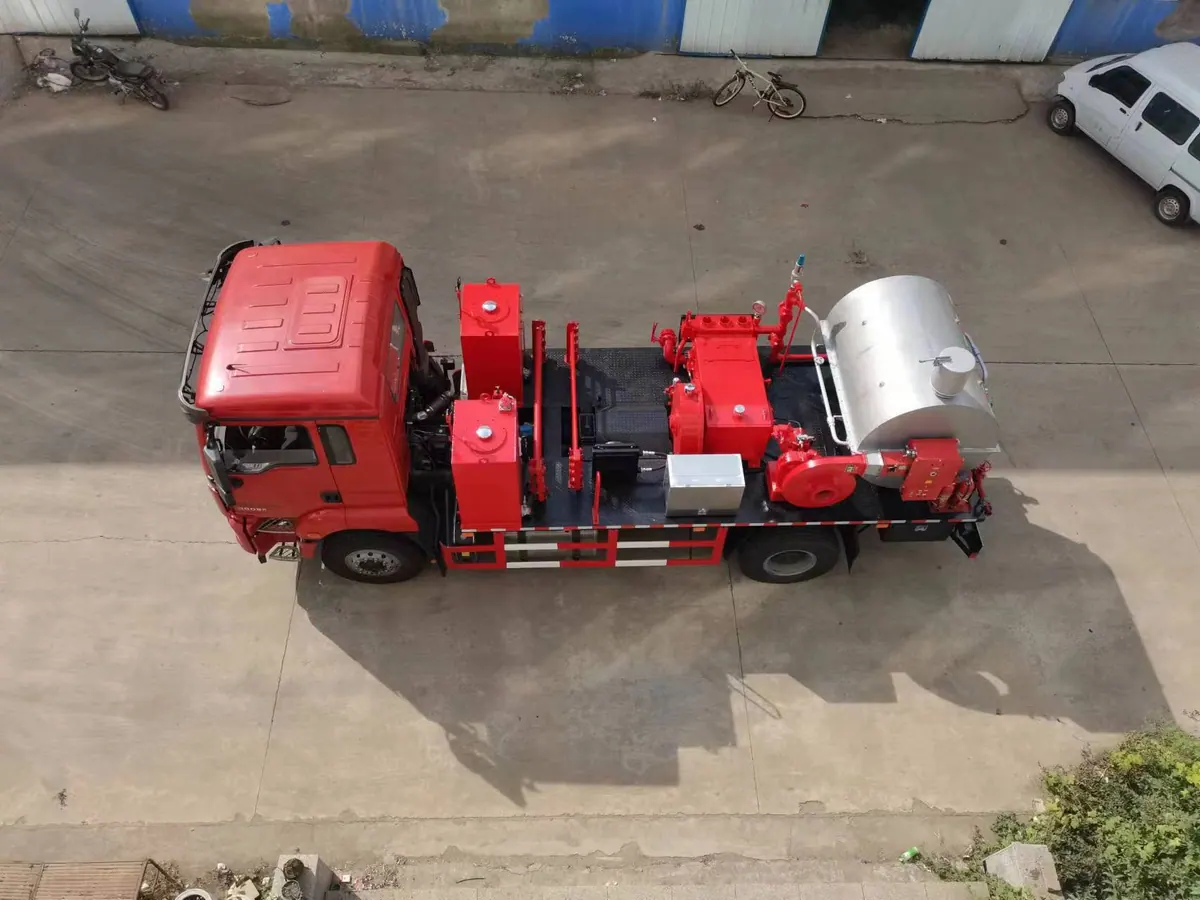
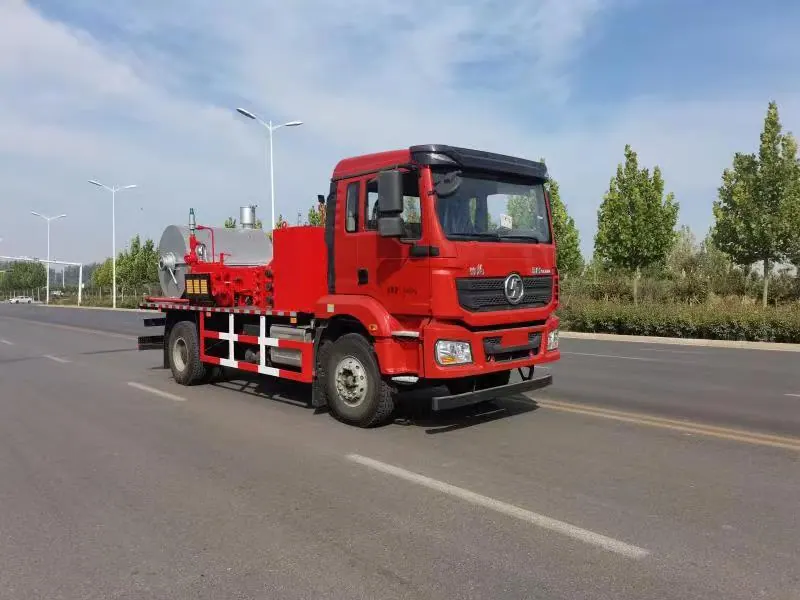
Require bidders to state the complete supplied assembly and its supported conditions. Keep length, pressure capability, heated-fluid suitability, storage configuration and actual integration review distinguishable. A reel may improve organization without providing universal safe handling or unrestricted service. The accepted order should preserve provider restrictions and configuration references so later replacement purchases can be assessed against the actual unit, not an informal hose size or a photograph of a similar mobile heating truck.
Put these items side by side in the bid review
| Purchase item | Question to resolve | Evidence to request |
|---|---|---|
| Service | Which fluid, temperature and pressure cases apply? | Accepted hose-duty schedule |
| Assembly | Which reel, swivel and connection references are included? | Actual component and interface list |
| Integration | What supports the installed working envelope? | Qualified layout and acceptance evidence |
Suggested wording for the quotation request
Quote the hot oil truck hose-reel assembly against the attached fluid and working cases. Identify hose, reel, swivel and connection references, supplied scope, relevant handling and storage restrictions and installed-layout responsibilities. Provide appropriate component and assembly evidence with final records. Do not treat hose length or an isolated pressure rating as proof of the complete heated-fluid working envelope.
Select the hot oil flushing unit as an identified heating and circulation package for the reviewed fluid and duty. Keep useful thermal output, simultaneous pressure and rate, working duration, coil, burner, pump, tank and control functions on one accepted basis. External receiving connections, fluid recovery, returned-fluid assessment and well-control duties need explicit responsibility boundaries. A component maximum or truck photograph does not establish the complete supplied arrangement. Request relevant provider records, assembly evidence and limitations. Actual operation and maintenance require competent personnel, equipment-specific manufacturer information and approved project procedures rather than an assumed universal treatment sequence.
For the wider equipment scope, consult the Hot Oil Flushing Unit: Utility Planning. Use the RFQ checklist to collect the supporting documents before requesting a configuration-specific quotation.
Buyer questions
Does a hose pressure label establish the whole reel assembly capability?
No. Reconcile actual hose, swivel, connections and installed arrangement.
Does carrying the required hose length prove every working configuration?
No. Retain provider restrictions and the actual integration review.
Background and supplier contact
OSHA oil and gas extraction guidance offers related background, not certification of the equipment in a quotation. Applicability must be checked for the project and destination.
Explore the hot oil flushing unit, browse all technical resources, or visit Vance Petroleum for company information. Request a hot oil unit proposal with the fluid, useful heating and circulation cases, duration and destination requirements.