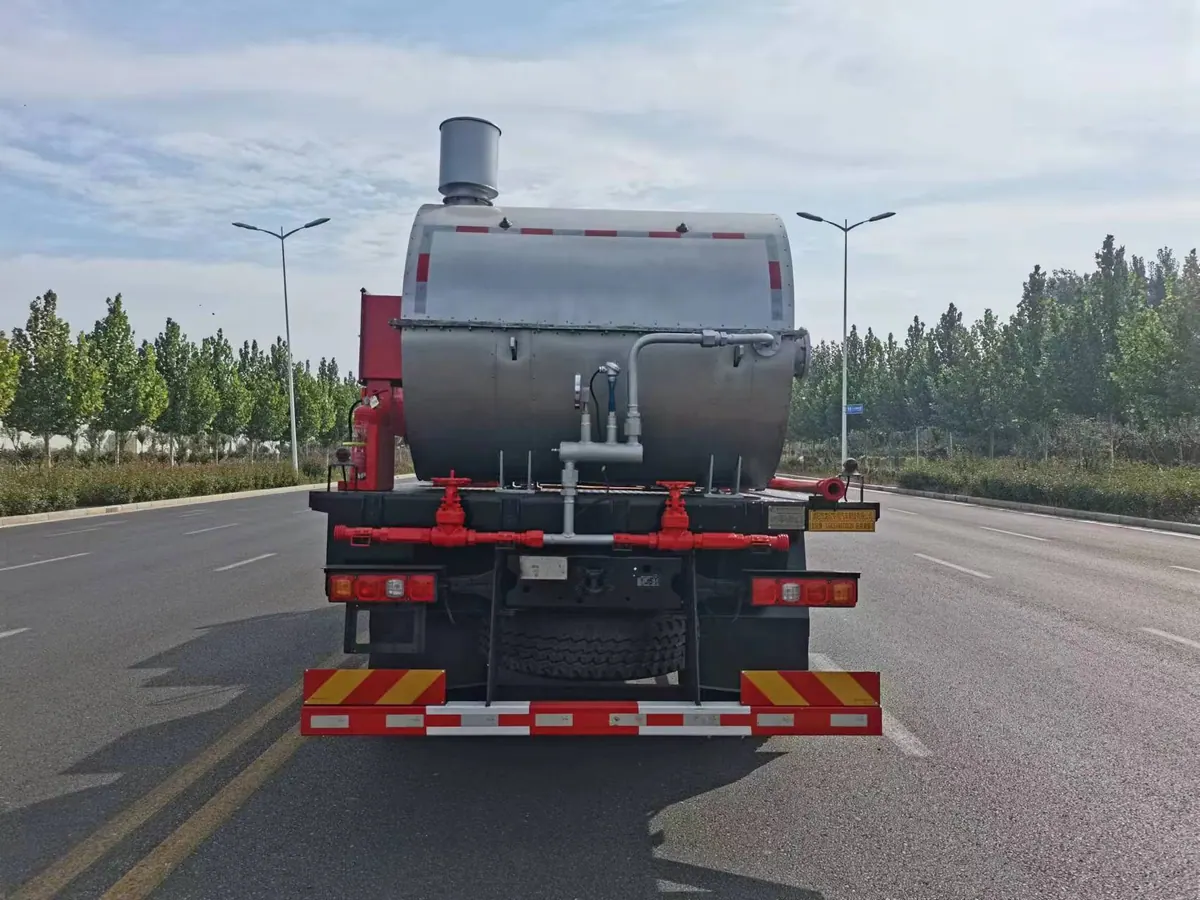
Request an understandable fluid-path drawing
Identify the heating medium, treating fluid and any other relevant circuit in the actual proposed package. Ask where heat crosses between them and which equipment belongs to each path. A hot-oil label does not establish whether the treating fluid enters the heater coil or receives heat through another supplied assembly. The purchasing review needs actual boundaries rather than a generic diagram borrowed from a different reference configuration.
Keep both circuit duties on the same basis
For a proposed separated arrangement, provide the required conditions and resources relevant to each side of the heat-transfer boundary. A satisfactory heating-loop rating does not automatically establish the delivered treating-fluid duty. Ask the provider to reconcile the actual assembly, pressure and rate restrictions with the accepted application. Do not assume that independently quoted maximum values describe one supported simultaneous case for both circuits or for the complete circulation path.
Identify what substantiates separation
Ask the supplier to state the actual heat-transfer equipment and relevant evidence for the claimed boundary. Two labelled connections or separate storage compartments do not by themselves establish isolation throughout the whole arrangement. Keep verification and acceptance requirements with competent responsible parties. Procurement should request appropriate records without prescribing a universal leak-test method or promising that every possible contamination or pressure-interaction question is resolved by one component description.
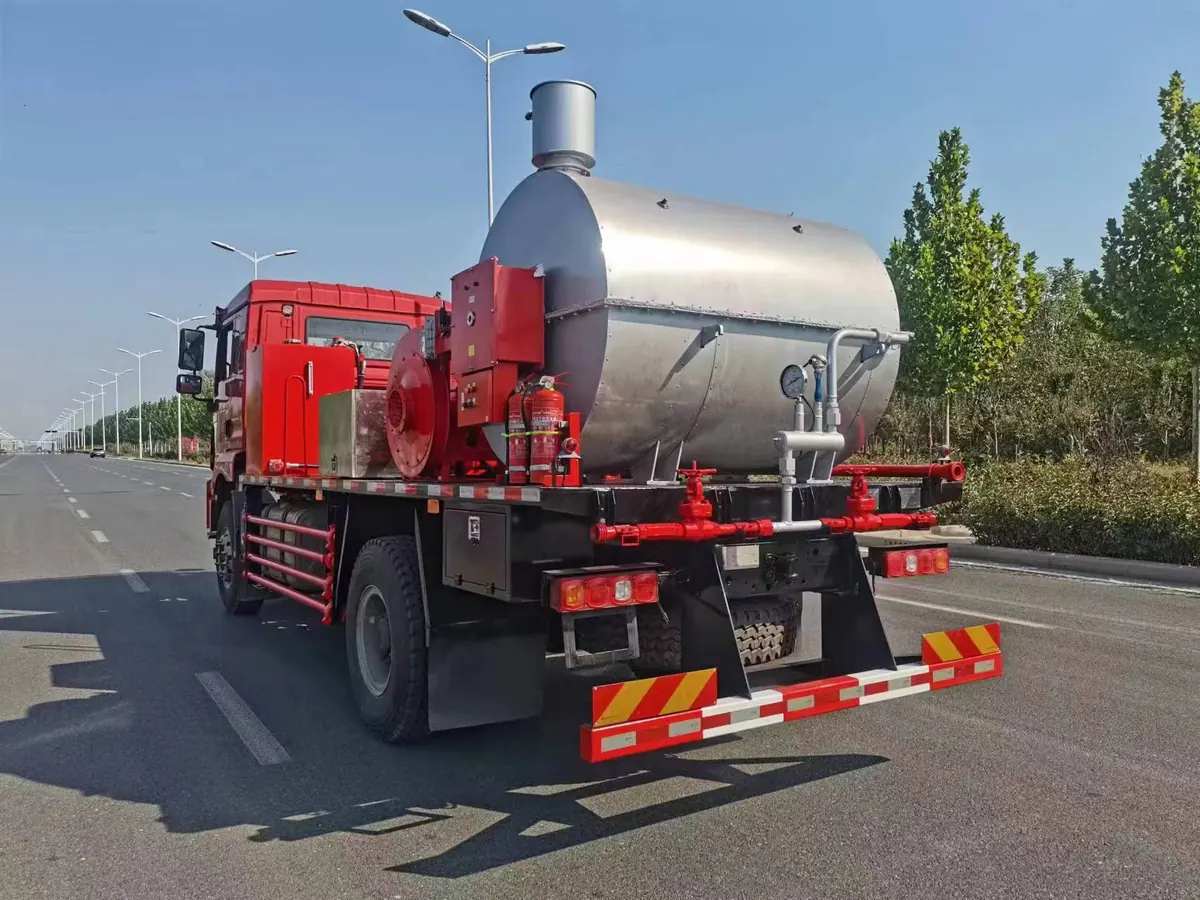
List the additional equipment and responsibilities
Identify which pumps, tanks, instruments, connections and supporting functions are included for the selected arrangement. A separated circuit can change the number and ownership of supporting systems. Ask who supplies and verifies external receiving equipment and interfaces. The comparison should expose those consequences rather than credit a bidder with indirect-heating functionality that another party must still engineer and add after the heater package is delivered.
Compare actual supplied options before award
Have bidders respond to the same treating-duty requirement, with circuit configuration, external resources and relevant limitations stated. Direct circulation may suit one reviewed fluid while another assignment requires a different arrangement. Neither option is universally preferable. Retain the accepted drawing and configuration references so later changes to fluid, heat-transfer equipment or operating cases are reviewed rather than assumed covered by a broad hot oil flushing unit description.
Make the heat-transfer boundary part of the equipment order
Require the offer to show where each fluid flows and which functions are actually supplied. Keep circuit separation, material suitability, pressure capability and useful heat delivery as distinct but connected questions. A technically clear proposal can be reviewed without assuming a heat exchanger is standard, that every treating fluid is acceptable in the coil, or that separate paths guarantee universal isolation. Retain provider limitations and appropriate verification responsibilities for the actual chosen arrangement and project.
Put these items side by side in the bid review
| Purchase item | Question to resolve | Evidence to request |
|---|---|---|
| Paths | Which fluid passes through each assembly? | Configuration-specific circuit drawing |
| Duty | What simultaneous conditions apply? | Matched heat-transfer and circulation response |
| Scope | Who supplies both sides and verifies them? | Equipment and responsibility schedule |
Suggested wording for the quotation request
Identify whether the proposed hot oil unit circulates treating fluid directly through its heater or uses a separately specified heat-transfer arrangement. Provide actual circuit boundaries, supplied equipment, supported simultaneous duty and separation evidence. Assign external resources and receiving-system responsibilities. Do not infer an indirect-heating capability, universal fluid suitability or complete circuit isolation from the product name or a generic reference drawing.
Select the hot oil flushing unit as an identified heating and circulation package for the reviewed fluid and duty. Keep useful thermal output, simultaneous pressure and rate, working duration, coil, burner, pump, tank and control functions on one accepted basis. External receiving connections, fluid recovery, returned-fluid assessment and well-control duties need explicit responsibility boundaries. A component maximum or truck photograph does not establish the complete supplied arrangement. Request relevant provider records, assembly evidence and limitations. Actual operation and maintenance require competent personnel, equipment-specific manufacturer information and approved project procedures rather than an assumed universal treatment sequence.
For the wider equipment scope, consult the Hot Oil Flushing Unit: Compatibility Guide. Use the RFQ checklist to collect the supporting documents before requesting a configuration-specific quotation.
Buyer questions
Does a hot-oil unit name identify every fluid circuit?
No. Request the actual configuration-specific fluid-path drawing.
Does a heating-loop rating prove the treating-side output?
No. Review the complete heat-transfer assembly and relevant circuit conditions.
Background and supplier contact
SLB hot oiling background offers related background, not certification of the equipment in a quotation. Applicability must be checked for the project and destination.
Explore the hot oil flushing unit, browse all technical resources, or visit Vance Petroleum for company information. Request a hot oil unit proposal with the fluid, useful heating and circulation cases, duration and destination requirements.