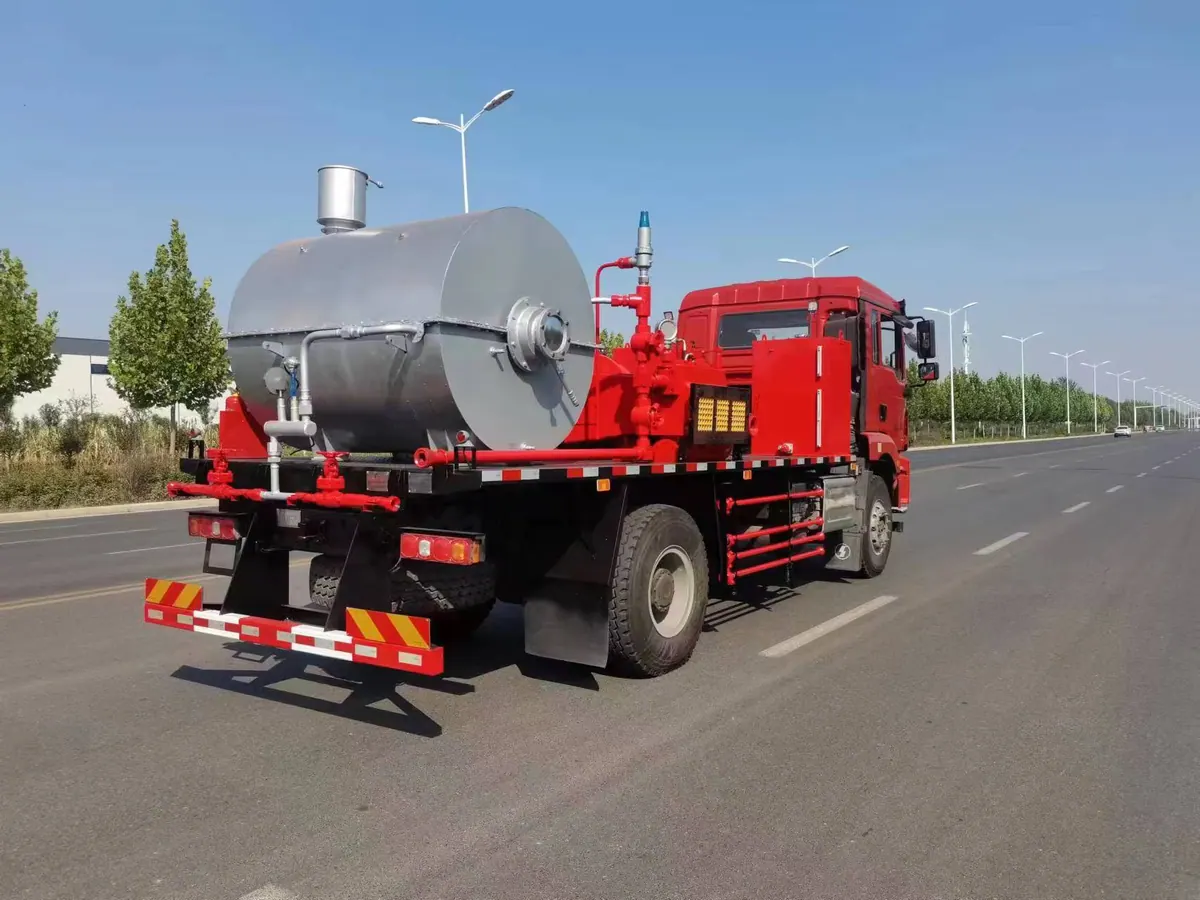
Identify the actual fired equipment and layout
Request references and arrangement information for the supplied heater, burner, exhaust and relevant supporting equipment. Keep actual installed configuration distinguishable from a reference photograph. A product described as mobile does not establish the suitability of every field position. The supplier should identify what its offer includes and which installation information remains necessary rather than treat a standard truck body or exhaust appearance as complete evidence for the purchaser’s actual site.
Provide relevant external fluid and site information
Give competent responsible parties the available information about nearby equipment, connected handling functions and relevant fluids or vapour sources. State uncertainties and the intended supply boundaries. A generic oilfield designation is not a complete description of those conditions. Procurement should not assume that the truck supplier owns every site input or that a destination country name defines all the requirements needed to assess the actual fired-unit installation.
Ask which provider restrictions govern the arrangement
Request relevant manufacturer information and the assessment basis applicable to the installed heater and site interfaces. Avoid converting one reference layout into a universal clearance or location rule. The purchasing role is to secure understandable information and assign competent review, not prescribe field positioning or authorize operation in an unidentified hazardous condition. Keep thermal process capability, combustion equipment and complete site acceptance as related but distinct questions.
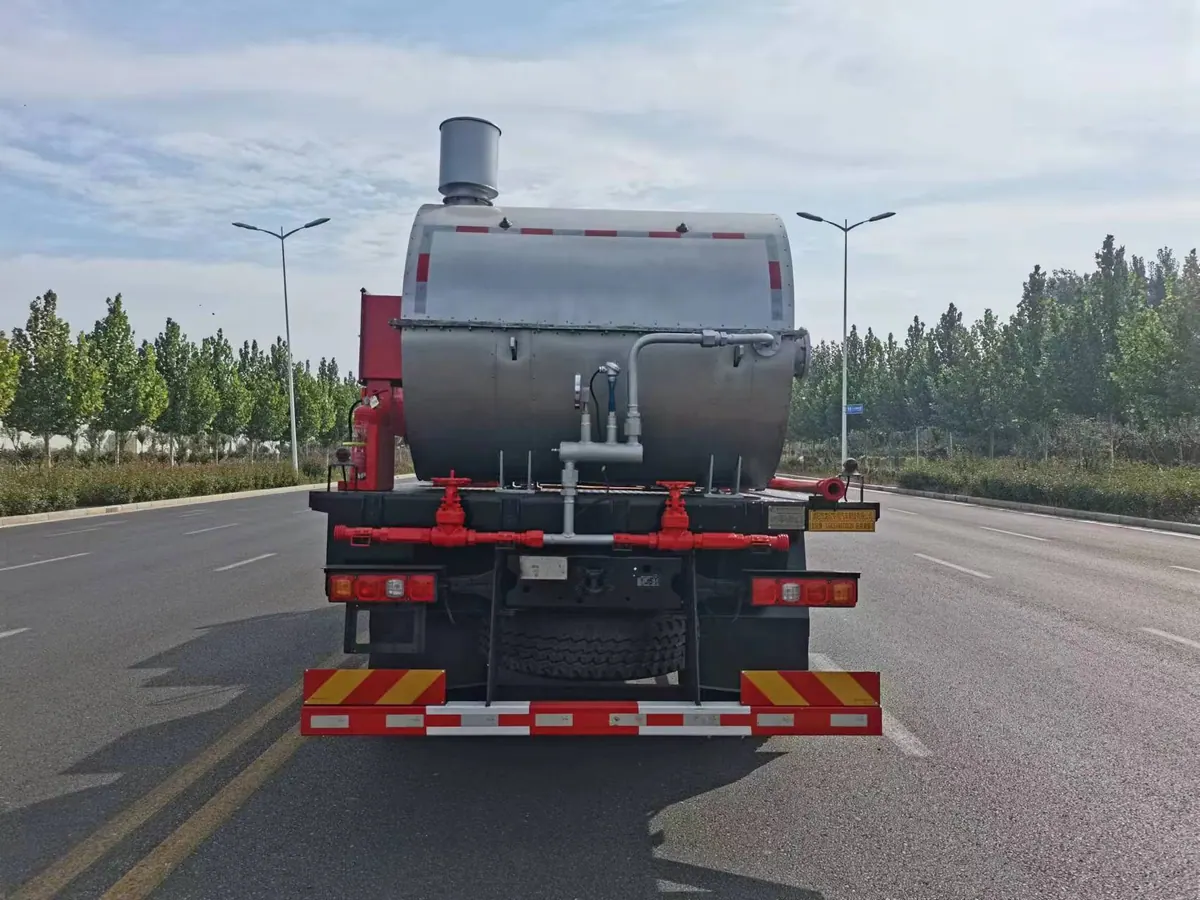
Separate supplied functions from external safeguards
Identify what relevant devices, interfaces or other provisions are actually included and what remains with the receiving site or another provider. An internal burner function does not establish complete protection against every external vapour or installation condition. Ask the bidder to state its scope and limitations. Keep proposed options identifiable without assuming that a broad safety package label or one component certificate resolves the complete mobile-unit and wellsite arrangement.
Retain the accepted layout and change responsibilities
Request configuration-linked records and identify which checks can be completed before delivery and which require the actual site. Changes in exhaust arrangement, connected handling equipment or operating location may need review. Keep those dependencies in the handover information rather than silently extend an earlier installation acceptance to every later assignment. Actual positioning, connection and operation remain subject to competent personnel, manufacturer requirements and approved project procedures.
Buy the information needed for a competent installed-layout review
Require the supplier to identify actual equipment, relevant restrictions and external responsibilities. Keep the offered truck contribution separate from complete field approval. A clear proposal should support a practical assessment without promising unrestricted site placement, universal hazardous-area suitability or approval based on a reference photograph. Retain final configuration and review boundaries so later equipment modifications and new work locations can be assessed against the actual installed fired unit and relevant project information rather than a generic mobile-heater description.
Put these items side by side in the bid review
| Purchase item | Question to resolve | Evidence to request |
|---|---|---|
| Equipment | Which fired-unit arrangement is actually supplied? | Identified layout and provider records |
| Site | What relevant external information is available? | Controlled site and fluid inputs |
| Acceptance | Who reviews restrictions and remaining checks? | Qualified integration responsibility schedule |
Suggested wording for the quotation request
Provide layout and relevant manufacturer information for the proposed hot oil truck heater, burner and exhaust arrangement. Identify external fluid, vapour and site inputs needed for competent review, with supplied provisions and remaining responsibilities stated. Retain installation limitations and configuration references. Do not imply unrestricted placement or complete site acceptance from mobility, a safety-package label or an unrelated reference installation.
Select the hot oil flushing unit as an identified heating and circulation package for the reviewed fluid and duty. Keep useful thermal output, simultaneous pressure and rate, working duration, coil, burner, pump, tank and control functions on one accepted basis. External receiving connections, fluid recovery, returned-fluid assessment and well-control duties need explicit responsibility boundaries. A component maximum or truck photograph does not establish the complete supplied arrangement. Request relevant provider records, assembly evidence and limitations. Actual operation and maintenance require competent personnel, equipment-specific manufacturer information and approved project procedures rather than an assumed universal treatment sequence.
For the wider equipment scope, consult the Hot Oil Flushing Unit: Pre-Job Checklist. Use the RFQ checklist to collect the supporting documents before requesting a configuration-specific quotation.
Buyer questions
Does a truck-mounted heater suit every convenient parking position?
No. Review actual equipment restrictions and relevant site conditions.
Does a burner function establish complete external vapour protection?
No. Assign the complete installation and site responsibilities explicitly.
Background and supplier contact
OSHA oil and gas extraction guidance offers related background, not certification of the equipment in a quotation. Applicability must be checked for the project and destination.
Explore the hot oil flushing unit, browse all technical resources, or visit Vance Petroleum for company information. Request a hot oil unit proposal with the fluid, useful heating and circulation cases, duration and destination requirements.