Identify the duty and pressure observation boundaries
State the required rate and relevant pressure conditions at the accepted points in the circulation assignment. Distinguish pump discharge, heater inlet or outlet and the external receiving boundary. A pressure number without its location can lead to incomparable offers. Ask the supplier to identify which internal components and external paths are included in its useful-duty response rather than treat every pressure indication as an interchangeable project requirement.
Provide the relevant fluid-property cases
Give the heater and pump providers the actual fluid information and temperature range needed for their review. Viscosity and other relevant properties should have an identifiable basis, not a generic hot-oil assumption. Keep startup and established-duty cases distinguishable where they affect selection. Procurement should request configuration-specific evidence without inventing a universal pressure-loss correction or assuming that water-based test data directly represent every field oil and temperature.
Request data for the offered coil arrangement
Ask which coil geometry and assembly references underpin the pressure-loss response. A similar heat-input rating does not establish identical internal flow resistance. Keep relevant connection and instrument contributions visible. The bidder should identify whether its response uses measurements, supplier information or an engineering assessment, with limitations stated, rather than rely on one pressure-drop figure from another heater model or a different fluid and operating condition.
Reconcile the coil with the complete pumping contribution
Have the integrator connect internal losses, drive and pump limits with the accepted external duty. The task is not to add independent maximum ratings, but to substantiate one supported complete arrangement. Ask what remains outside the provider’s calculation or evidence. Keep external receiving-system and well-service responsibilities explicit instead of assume that a higher pump pressure automatically resolves every restriction or authorizes a different field operating limit.
Retain configuration changes in the duty review
Require changes to coil, fluid path, pump or connection arrangements to identify effects on the accepted pressure-rate and thermal cases. A replacement that fits the available space can still alter the original basis. Keep final equipment identifiers and relevant records with the handover. Actual operation and any adjustments remain governed by approved manufacturer information and competent project review, not a procurement comparison presented as a universal operating instruction.
Compare heat and hydraulic delivery as one supplied contribution
Ask each bidder to identify the actual coil and fluid basis behind its pumping response. Keep component pressure capability, internal losses and required external duty distinguishable. A useful quotation should explain its supported cases without assuming negligible heater resistance, unrestricted viscous-fluid service or universal improvement from increasing pump capacity. Retain the complete configuration and evidence so later fluid changes, coil replacements and added external connections can be assessed against the actual purchased assembly rather than an isolated heater nameplate.
Put these items side by side in the bid review
| Purchase item | Question to resolve | Evidence to request |
|---|---|---|
| Boundary | Where does each quoted pressure apply? | Defined internal and external points |
| Fluid | Which properties and temperature cases are used? | Identified service information |
| Assembly | What coil and complete pump response are supported? | Configuration-specific evidence |
Suggested wording for the quotation request
Provide the offered hot oil heater coil’s hydraulic response at the attached fluid, temperature and flow cases. Identify pressure locations, coil references, data basis and included internal losses. Reconcile these with the complete pump and drive contribution at the external acceptance boundary. State exclusions and restrictions rather than assume that a heater rating or isolated pump maximum establishes the complete circulation duty.
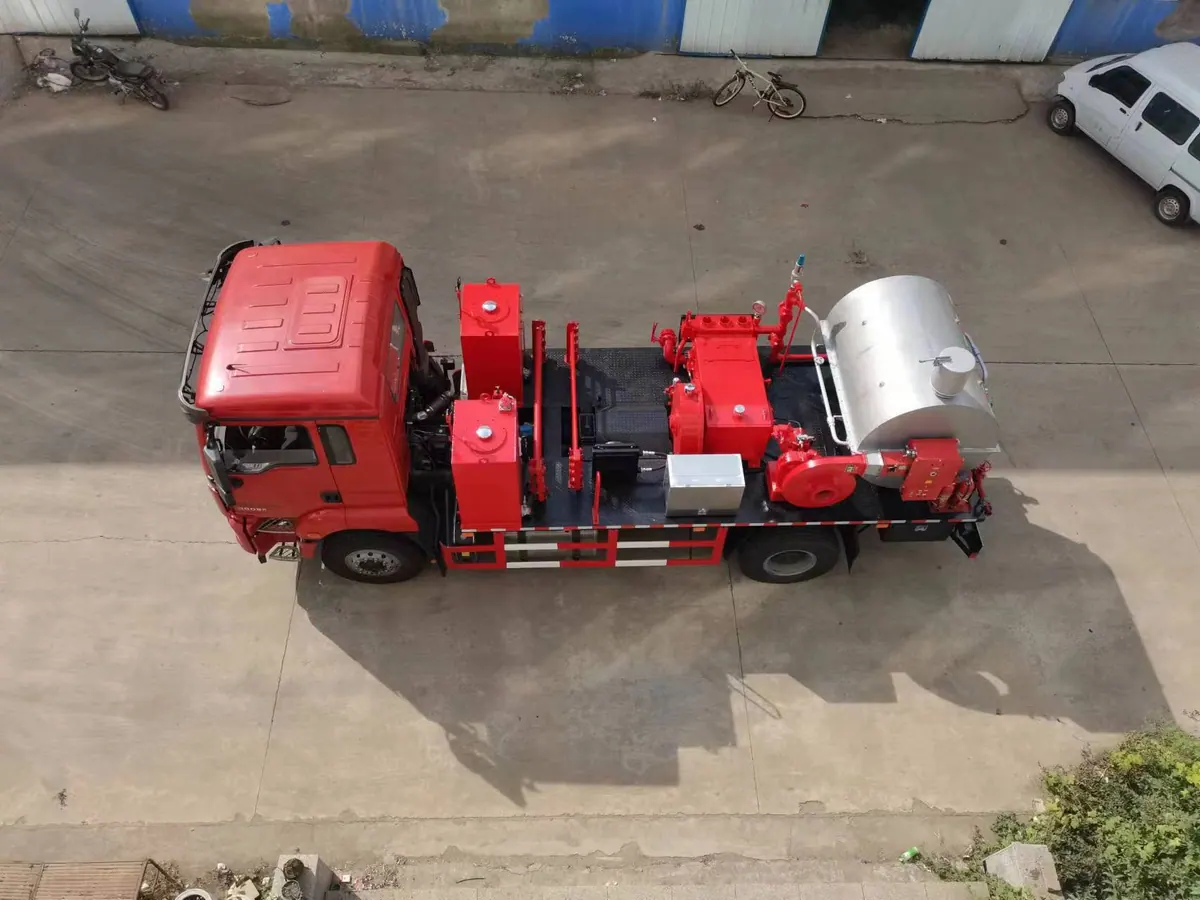
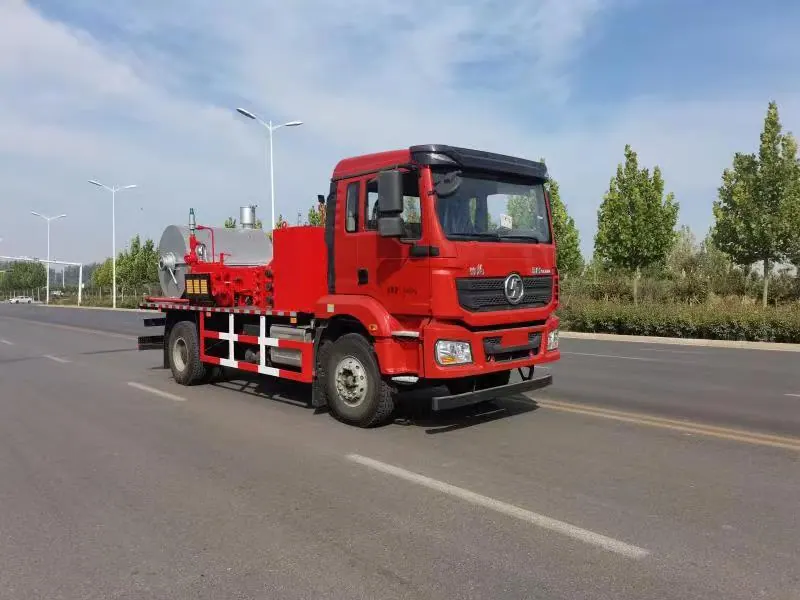
Select the hot oil flushing unit as an identified heating and circulation package for the reviewed fluid and duty. Keep useful thermal output, simultaneous pressure and rate, working duration, coil, burner, pump, tank and control functions on one accepted basis. External receiving connections, fluid recovery, returned-fluid assessment and well-control duties need explicit responsibility boundaries. A component maximum or truck photograph does not establish the complete supplied arrangement. Request relevant provider records, assembly evidence and limitations. Actual operation and maintenance require competent personnel, equipment-specific manufacturer information and approved project procedures rather than an assumed universal treatment sequence.
For the wider equipment scope, consult the Hot Oil Flushing Unit: Specs and Sizing. Use the RFQ checklist to collect the supporting documents before requesting a configuration-specific quotation.
Buyer questions
Do equal heater output ratings imply equal coil pressure loss?
No. Review the actual geometry, fluid and operating basis.
Can a pump-discharge pressure be treated as pressure at every receiving point?
No. Identify the actual path, observations and included losses.
Background and supplier contact
SLB hot oiling background offers related background, not certification of the equipment in a quotation. Applicability must be checked for the project and destination.
Explore the hot oil flushing unit, browse all technical resources, or visit Vance Petroleum for company information. Request a hot oil unit proposal with the fluid, useful heating and circulation cases, duration and destination requirements.