Identify which fluid the report represents
Record the available sample identity, source, relevant date and relationship to the proposed treating fluid or returned stream. Keep changed formulations and uncertain sampling history visible. A report from another well or a broadly similar oil is not automatically representative. Ask the responsible providers what information they need for equipment assessment rather than present every available laboratory sheet as current evidence for the actual fluid entering the heater, pump and tank.
Retain test conditions with each property
Keep the reported method, temperature and other relevant conditions attached to viscosity, thermal or composition information used in the review. A property value detached from its basis can be misleading in a comparison. Procurement should not convert one result into a universal operating limit or assume that values measured under different conditions are directly comparable. Have competent responsible parties identify which further information is necessary for the actual heating and circulation assessment.
Connect evidence to specific equipment questions
Ask which results support coil, pump, seals, tank and relevant thermal-service review. A laboratory property does not by itself approve the complete truck or select every material. Keep the actual proposed assembly identifiable so suppliers respond to the same fluid basis. The bidder should state the scope of its assessment and relevant restrictions rather than use a general tested-oil label to imply universal compatibility across all reference configurations and service temperatures.
Distinguish fluid evidence from deposit and treatment evidence
Treating-fluid properties and the condition causing a well restriction are related but different questions. An analysis of oil does not necessarily characterize every deposit or establish a successful treatment program. Keep actual deposit information, external circulation responsibilities and field acceptance with the competent project team. Equipment procurement should not promise a particular removal result, repeat-treatment interval or production response solely because a laboratory report identifies a familiar hydrocarbon property.
Control the evidence basis when the assignment changes
Retain the accepted report references, supplier responses, missing inputs and final configuration in the order. A new oil source, changed additive package or materially different returned stream may need further assessment. The purchase should make these dependencies visible rather than silently extend an earlier acceptance to a new fluid. Keep confidentiality and information-sharing responsibilities appropriate to technical inquiry review without claiming that an equipment vendor independently verifies every purchaser-supplied laboratory result.
Use laboratory evidence as a qualified input to equipment review
Require suppliers to identify which actual records they assessed and what those records substantiate for the proposed unit. Keep sample identity, test basis, component suitability and complete treatment approval distinguishable. A report can support useful engineering decisions without becoming a universal certificate for every truck, fluid change or future well assignment. Retain uncertainties and relevant provider restrictions so later procurement and operating teams can understand the accepted evidence rather than infer unsupported limits from isolated numbers.
Put these items side by side in the bid review
| Purchase item | Question to resolve | Evidence to request |
|---|---|---|
| Identity | Which actual fluid and sample are described? | Controlled report and source references |
| Conditions | How were relevant properties obtained? | Retained method and condition information |
| Use | Which equipment question does the evidence support? | Qualified supplier response and open inputs |
Suggested wording for the quotation request
Review the attached fluid reports for the proposed hot oil truck and identify the records and conditions used. State what they support for the actual heater, pump, seals and tank, with missing information and restrictions retained. Distinguish treating-fluid properties from deposit characterization and field-treatment approval. Do not extend an unrelated sample report or isolated property value to every operating condition and later fluid change.
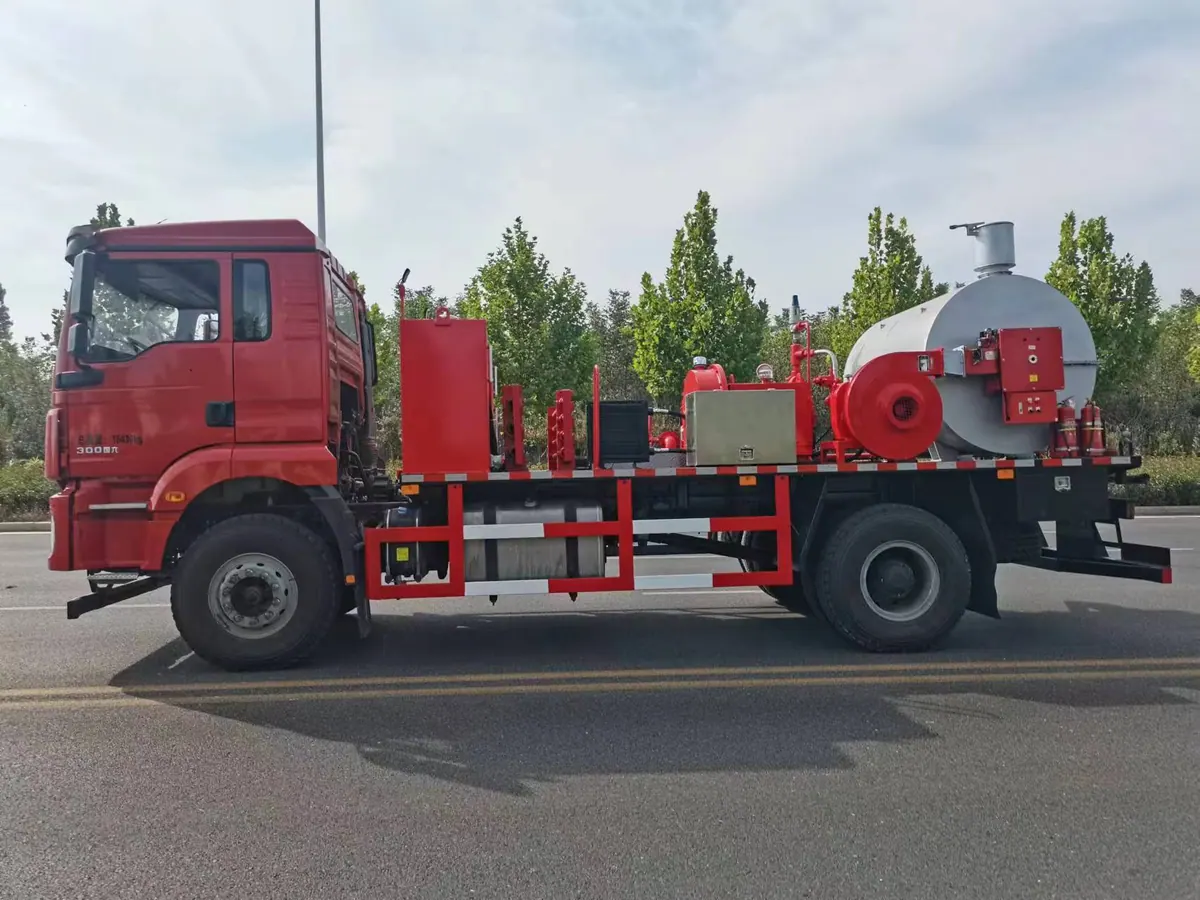
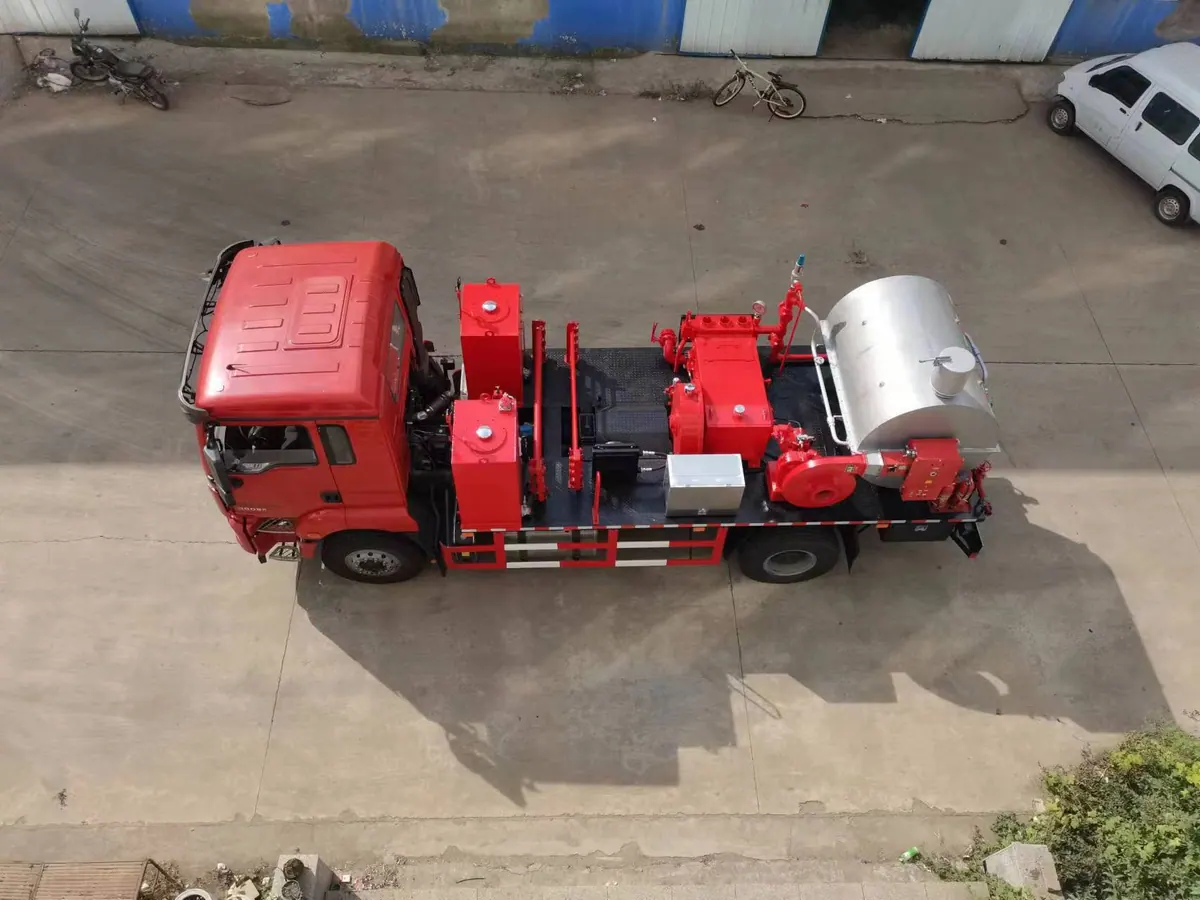
Select the hot oil flushing unit as an identified heating and circulation package for the reviewed fluid and duty. Keep useful thermal output, simultaneous pressure and rate, working duration, coil, burner, pump, tank and control functions on one accepted basis. External receiving connections, fluid recovery, returned-fluid assessment and well-control duties need explicit responsibility boundaries. A component maximum or truck photograph does not establish the complete supplied arrangement. Request relevant provider records, assembly evidence and limitations. Actual operation and maintenance require competent personnel, equipment-specific manufacturer information and approved project procedures rather than an assumed universal treatment sequence.
For the wider equipment scope, consult the Hot Oil Flushing Unit: Compatibility Guide. Use the RFQ checklist to collect the supporting documents before requesting a configuration-specific quotation.
Buyer questions
Does a report for a similar oil automatically represent the actual job fluid?
No. Confirm sample identity, conditions and relevance to the proposed service.
Does laboratory fluid evidence guarantee a wax-removal result?
No. Keep equipment suitability and actual treatment assessment as separate questions.
Background and supplier contact
SLB fluid composition analysis background offers related background, not certification of the equipment in a quotation. Applicability must be checked for the project and destination.
Explore the hot oil flushing unit, browse all technical resources, or visit Vance Petroleum for company information. Request a hot oil unit proposal with the fluid, useful heating and circulation cases, duration and destination requirements.