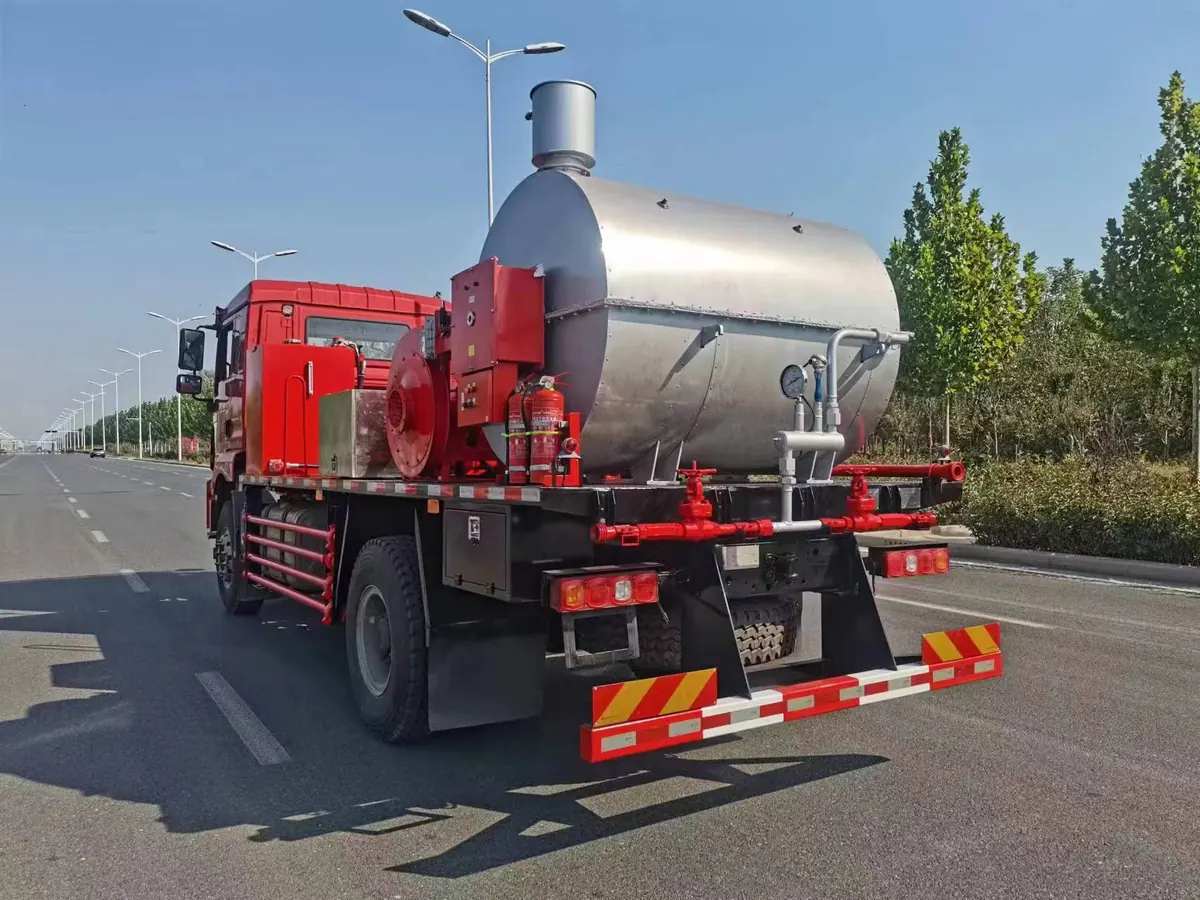
Describe the existing vehicle and proposed assignment
Provide relevant chassis identity, current configuration, condition records and intended heating and circulation duty. A vehicle described by gross weight alone leaves important integration questions unresolved. Ask the responsible chassis and equipment providers what additional information they need. The proposal should distinguish verified existing facts from assumptions, particularly where previous bodywork, frame changes or accessory installations affect the basis of the new package.
Identify the actual heater-package contribution
Request an itemized scope for the heater, burner, pump, tanks, controls and supporting equipment being added or retained. A modular-heater description does not establish every part needed for a working truck. Keep purchaser-owned items and their acceptance responsibilities explicit. The bidder should explain what it supplies without assuming that an existing tank, power take-off, fuel arrangement or electrical system is automatically compatible with the proposed new heating assembly.
Assign structural and installed-load review
Ask competent responsible parties to review the proposed mounted equipment and relevant working and transport configurations. Identify available axle, mounting and layout information without inventing permitted loads or a universal frame modification. A package that fits within the visible deck space may still need substantial engineering and destination assessment. The purchaser should know who substantiates the installed arrangement and which chassis-provider or local requirements remain to be resolved.
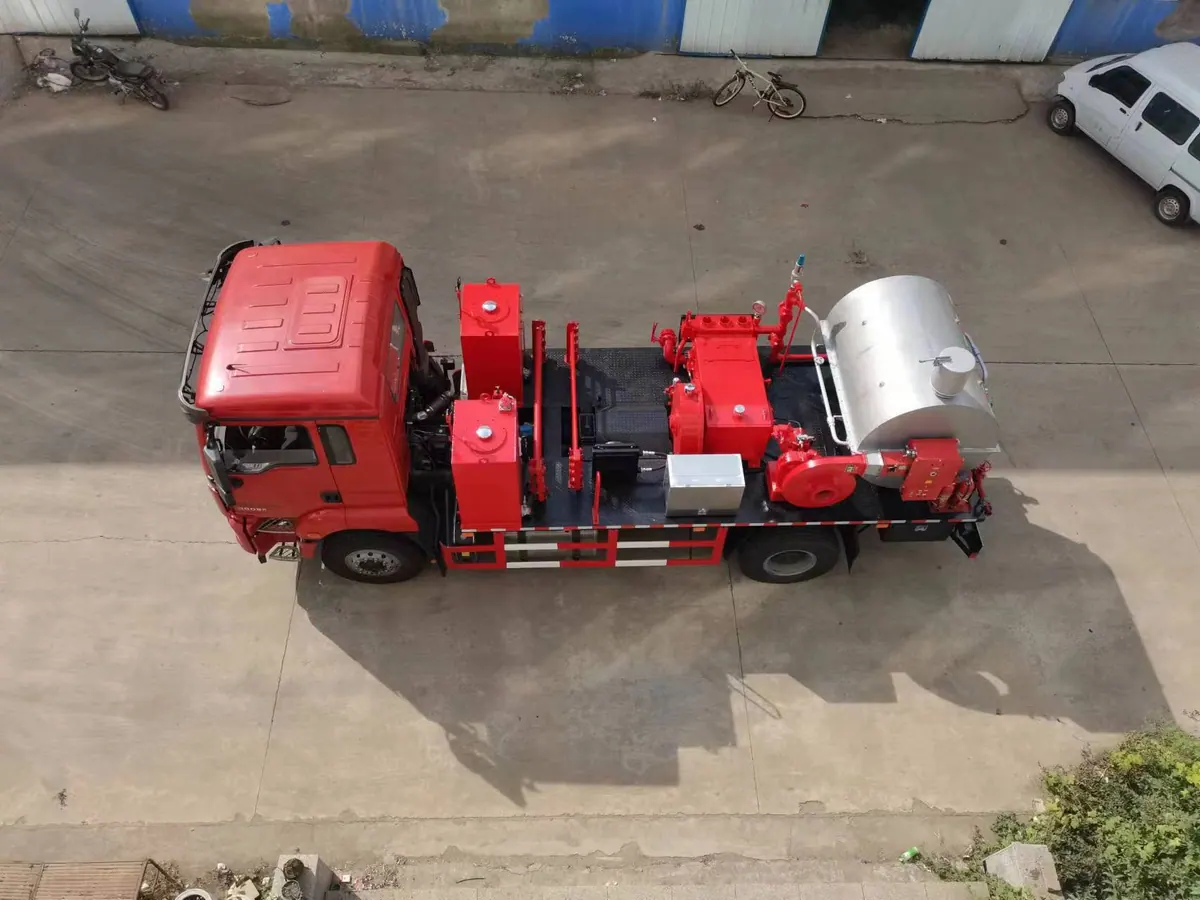
Reconcile drive, utility and control interfaces
Identify mechanical or other drive connections, auxiliary resources, fuel supply and relevant control boundaries in the actual proposal. Similar component ratings do not establish a complete supported combination. Ask who reviews each retained interface and what limitations apply. Keep equipment selection and verification separate from field modification instructions; actual installation and commissioning need configuration-specific provider information, competent personnel and an approved project plan.
Agree a complete modified-unit acceptance record
Request final equipment references, reviewed drawings, applicable evidence and the test scope for the assembled retrofit. A successful heater-only run cannot prove every chassis or installed-package function. Retain open destination and site checks, service ownership and approved deviations. The final purchase should make the modified truck understandable to later operators and maintainers rather than leave responsibility divided between an original vehicle supplier and a new package provider with unassigned interfaces.
Compare retrofit scope with a complete new arrangement
Ask bidders to state the actual reused equipment, required changes and qualification work at the same accepted duty. Reusing a chassis may suit a particular project without guaranteeing lower cost, faster delivery or unrestricted road acceptance. Keep original condition, modification evidence and final integration responsibility connected. The selected offer should identify who accepts the complete modified unit and what remains conditional, not merely deliver a collection of apparently compatible heating and pumping components to an existing vehicle.
Put these items side by side in the bid review
| Purchase item | Question to resolve | Evidence to request |
|---|---|---|
| Existing basis | Which vehicle data and condition are confirmed? | Controlled chassis information |
| Integration | Who accepts loads, drive and interfaces? | Named engineering responsibilities |
| Handover | What describes the completed modified unit? | Final configuration and acceptance record |
Suggested wording for the quotation request
Review the proposed hot oil flushing retrofit against the attached chassis information and operating duty. Itemize added, retained and replaced equipment, installed-load review, drive and utility interfaces, control boundaries and destination responsibilities. State final assembly evidence and service ownership. Do not assume that physical deck space or a suitable gross vehicle rating alone establishes a qualified, road-acceptable heating and circulation truck.
Select the hot oil flushing unit as an identified heating and circulation package for the reviewed fluid and duty. Keep useful thermal output, simultaneous pressure and rate, working duration, coil, burner, pump, tank and control functions on one accepted basis. External receiving connections, fluid recovery, returned-fluid assessment and well-control duties need explicit responsibility boundaries. A component maximum or truck photograph does not establish the complete supplied arrangement. Request relevant provider records, assembly evidence and limitations. Actual operation and maintenance require competent personnel, equipment-specific manufacturer information and approved project procedures rather than an assumed universal treatment sequence.
For the wider equipment scope, consult the Hot Oil Flushing Unit: Configuration Guide. Use the RFQ checklist to collect the supporting documents before requesting a configuration-specific quotation.
Buyer questions
Does a heater fitting on the deck prove retrofit suitability?
No. Review installed loads, interfaces, condition and complete integration responsibilities.
Can heater-only evidence qualify the complete modified truck?
No. Agree appropriate assembly and vehicle acceptance scope.
Background and supplier contact
OSHA oil and gas extraction guidance offers related background, not certification of the equipment in a quotation. Applicability must be checked for the project and destination.
Explore the hot oil flushing unit, browse all technical resources, or visit Vance Petroleum for company information. Request a hot oil unit proposal with the fluid, useful heating and circulation cases, duration and destination requirements.