Identify the quantities behind the temperature claim
Ask which readings describe fluid inlet, outlet, another point in the circuit or an actual component observation. Keep measurement locations and methods understandable. A single display does not establish every local thermal condition in the heater. The purchase should distinguish bulk fluid requirements from relevant equipment and service limitations rather than assume that a maximum outlet temperature describes every surface or that all displayed quantities have the same acceptance meaning.
Provide the fluid and operating cases for review
Supply the actual oil information, relevant viscosity and other properties, temperature range, rate and duty duration. State uncertainties and the source of the data. A heater selected for one medium or rate may need further assessment for another. Ask the responsible provider what evidence supports the proposed service without inventing a universal film-temperature limit or treating every crude, diesel and process fluid as thermally interchangeable.
Connect thermal capability to the offered coil
Request actual coil and burner references and the basis supporting their combined arrangement. Nominal heat input, useful output and relevant component limits are not the same claim. Ask which restrictions govern the accepted fluid and flow cases. The provider should substantiate the offered assembly rather than transfer thermal conclusions from another heater model or treat a similar rated heat input as proof of identical local heat-transfer conditions.
Ask what supports fouling or degradation assumptions
Request manufacturer-supported information relevant to the actual fluid and service, with limitations and inspection responsibilities stated. A clean initial coil does not establish unrestricted resistance to deposits or fluid degradation. Procurement should secure usable evidence rather than promise a fixed cleaning interval, universal resistance to coking or a guaranteed service life. Actual condition assessment and maintenance require competent review and equipment-specific documents for the installed arrangement.
Retain the accepted limits and verification scope
Agree which thermal and function questions are addressed by factory evidence and which depend on the final circuit or field duty. Keep measured and assessed quantities distinguishable. A successful outlet-temperature demonstration can still leave other service questions requiring review. Retain final configuration, fluid basis and provider restrictions so subsequent fluid changes, burner substitutions or coil replacements do not automatically inherit an earlier thermal acceptance claim.
Buy an understandable thermal service basis
Ask bidders to state the actual fluid, coil, burner and flow conditions behind their temperature response. Keep bulk indications, component limitations and useful delivered heat connected without treating them as identical. A clear offer can support an informed purchase without a universal surface-temperature promise or a guaranteed absence of deposits. Retain relevant provider evidence and approved limitations so later assignments and maintenance decisions can be reviewed against the installed assembly rather than one attractive outlet temperature on a catalogue.
Put these items side by side in the bid review
| Purchase item | Question to resolve | Evidence to request |
|---|---|---|
| Quantity | Which fluid or component temperature is described? | Identified observations and limits |
| Configuration | What coil, burner and fluid basis applies? | Actual assembly response |
| Evidence | Which service assumptions are substantiated? | Qualified thermal and inspection information |
Suggested wording for the quotation request
Review the hot oil heater against the attached fluid, rate, inlet and outlet conditions and duty duration. Identify actual coil and burner references, measurement locations and manufacturer-supported thermal restrictions. Distinguish bulk fluid observations from component limits and state what supports fouling or degradation assumptions. Do not infer universal fluid suitability or deposit-free service from one outlet-temperature maximum.
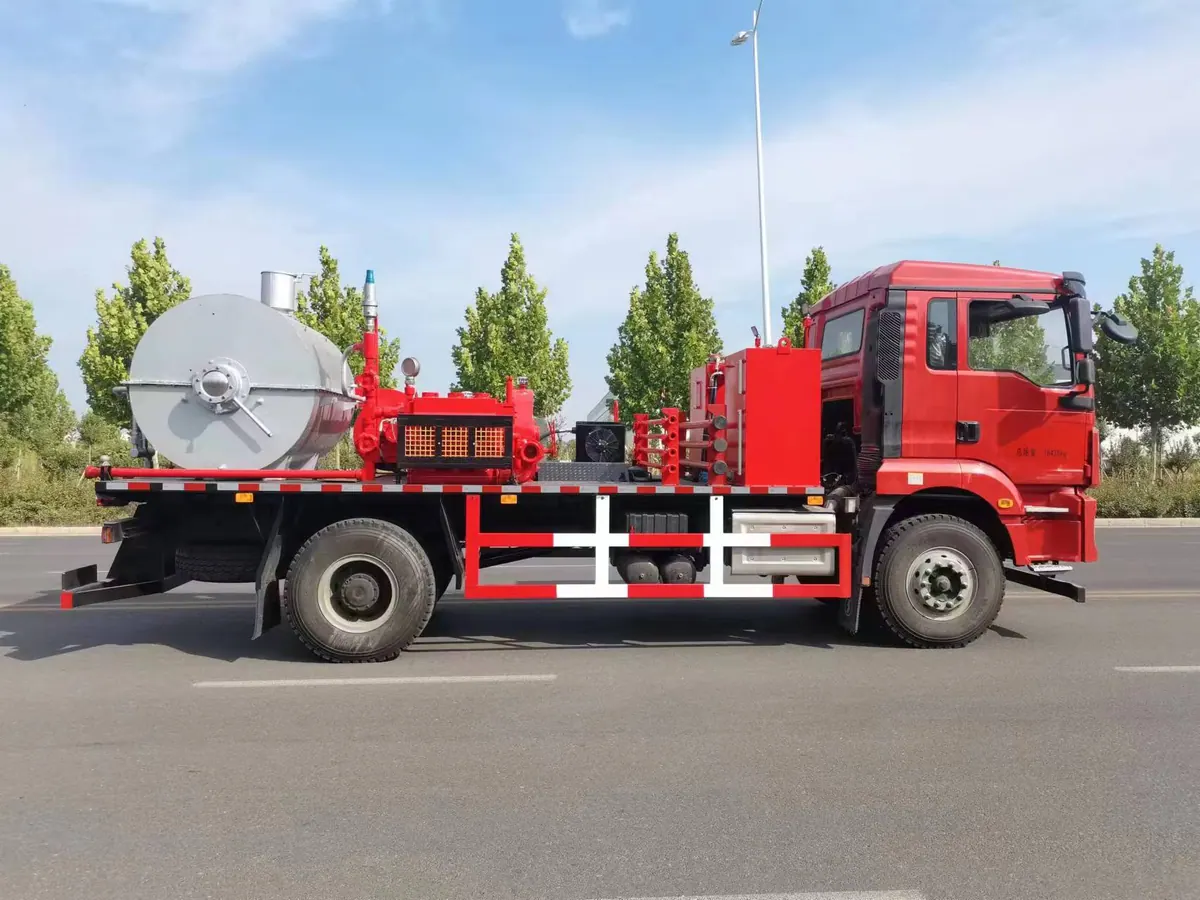
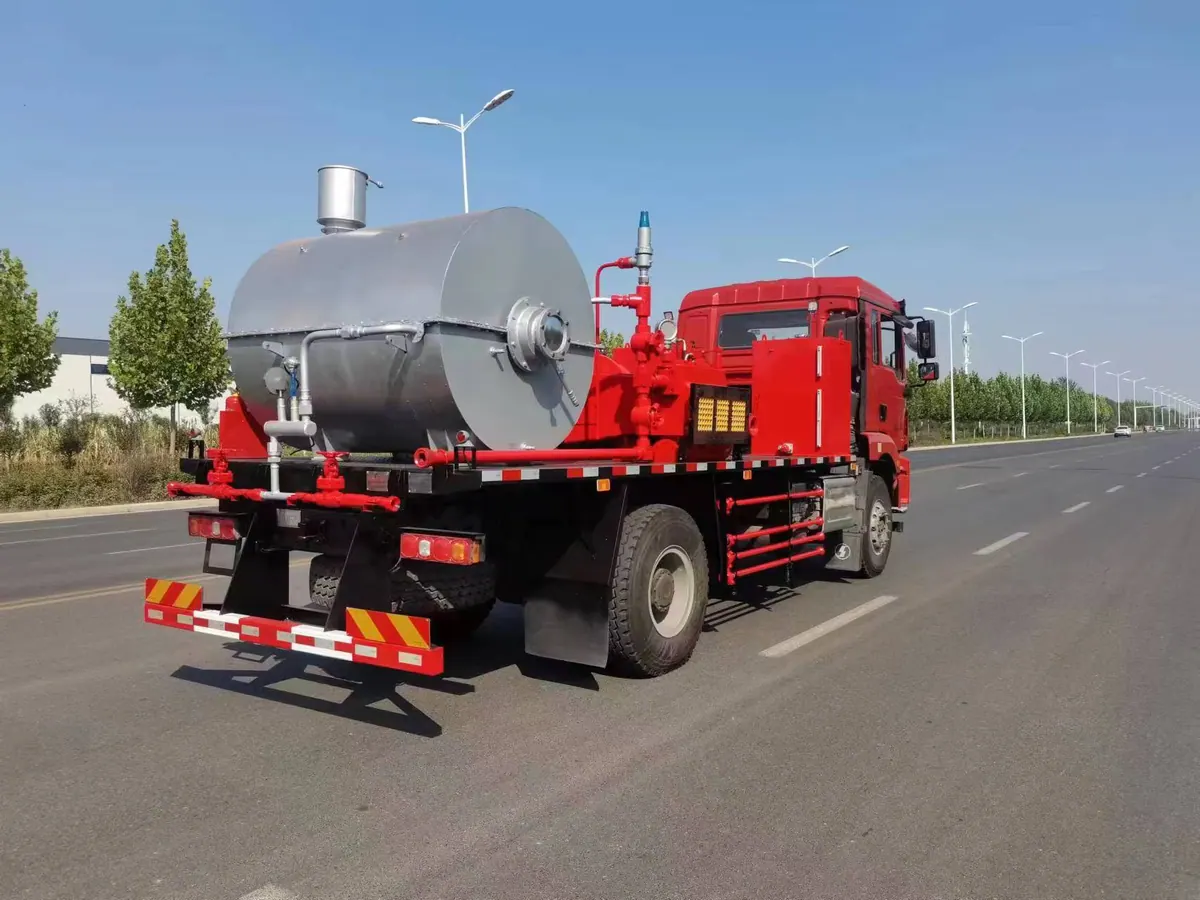
Select the hot oil flushing unit as an identified heating and circulation package for the reviewed fluid and duty. Keep useful thermal output, simultaneous pressure and rate, working duration, coil, burner, pump, tank and control functions on one accepted basis. External receiving connections, fluid recovery, returned-fluid assessment and well-control duties need explicit responsibility boundaries. A component maximum or truck photograph does not establish the complete supplied arrangement. Request relevant provider records, assembly evidence and limitations. Actual operation and maintenance require competent personnel, equipment-specific manufacturer information and approved project procedures rather than an assumed universal treatment sequence.
For the wider equipment scope, consult the Hot Oil Flushing Heater: Why Outlet Temperature Falls. Use the RFQ checklist to collect the supporting documents before requesting a configuration-specific quotation.
Buyer questions
Does a bulk outlet reading establish every coil surface temperature?
No. Identify actual measurements and the relevant provider-supported component limits.
Can a heater rating be transferred to any oil formulation?
No. Review the actual fluid, flow and thermal service basis.
Background and supplier contact
SLB hot oiling background offers related background, not certification of the equipment in a quotation. Applicability must be checked for the project and destination.
Explore the hot oil flushing unit, browse all technical resources, or visit Vance Petroleum for company information. Request a hot oil unit proposal with the fluid, useful heating and circulation cases, duration and destination requirements.