Identify the method behind each displayed value
Ask whether the unit’s rate and cumulative-volume information comes from an actual flow measurement, pump motion, a calculation or another defined source. Keep component and calculation references identifiable. A display marked flow is not complete evidence of a direct measurement. The purchasing record should make the method understandable without assuming that every indication independently measures actual delivered liquid or that a pump’s nominal displacement establishes the same quantity under every condition.
State the fluid and temperature basis
Provide the relevant oil information and operating conditions for the measurement-provider review. Values obtained or stated at different conditions may require further assessment before comparison. Ask how the actual offered configuration represents the quantities the purchaser needs. Do not invent a universal conversion or correction for every oil, nor assume that an instrument specification based on another medium or temperature substantiates the same claim throughout the accepted warm-fluid service.
Keep observation and delivery locations clear
Identify where the actual quantity is observed and which internal or external contributions are included. A pump-level indication is not automatically the accepted result at the well or receiving-system boundary. Keep relevant accumulation periods, units and event definitions understandable. The response should distinguish the truck’s recorded contribution from broader treatment accounting rather than silently combine quantities that belong to different locations, time periods or independently supplied pieces of equipment.
Request evidence for the complete measurement claim
Ask which instrument records, comparison evidence or reviewed calculations support the accepted question. A certificate for one component does not prove the complete installed measurement path or every calculated total. Keep actual configuration, relevant range, fluid conditions and limitations explicit. Procurement should agree appropriate evidence with competent responsible parties rather than promise fixed accuracy for every operating case from an isolated sensor brochure or a successful display demonstration.
Retain configuration and record definitions at handover
Identify the delivered instruments, relevant software or calculation references and the actual pump arrangement linked to the records. Changes to plunger size, meter, fluid service or calculation basis may need review. Keep final documentation usable by the team interpreting later operating data. A rate or volume record without its method and condition basis should not be presented as complete proof of treatment effectiveness, removed deposits or a guaranteed production improvement.
Define the accepted quantity before comparing accuracy claims
Require bidders to state the actual method, boundary, conditions and limitations behind their indications and records. Keep direct measurements, calculated estimates and treatment acceptance criteria distinguishable. A motion-based estimate may be useful without being an independent direct measurement of warm-fluid delivery. Retain the appropriate instrument and assembly evidence so later hardware, fluid and software changes receive a meaningful review rather than automatically inherit an original accuracy claim established on a different configuration and condition basis.
Put these items side by side in the bid review
| Purchase item | Question to resolve | Evidence to request |
|---|---|---|
| Method | Direct observation or calculated estimate? | Identified instrument and calculation basis |
| Conditions | Which fluid, location and temperature? | Accepted measurement and delivery boundary |
| Evidence | What supports the complete claim? | Qualified records and verification scope |
Suggested wording for the quotation request
Describe the proposed hot oil unit’s rate and volume indications for the attached fluid and duty cases. Identify direct measurements, pump-motion estimates, calculation assumptions, locations and accumulation definitions. Provide relevant instrument and complete-path evidence with limitations stated. Keep displayed quantities distinct from treatment results and avoid applying one accuracy claim to every fluid, temperature or later pump configuration without review.
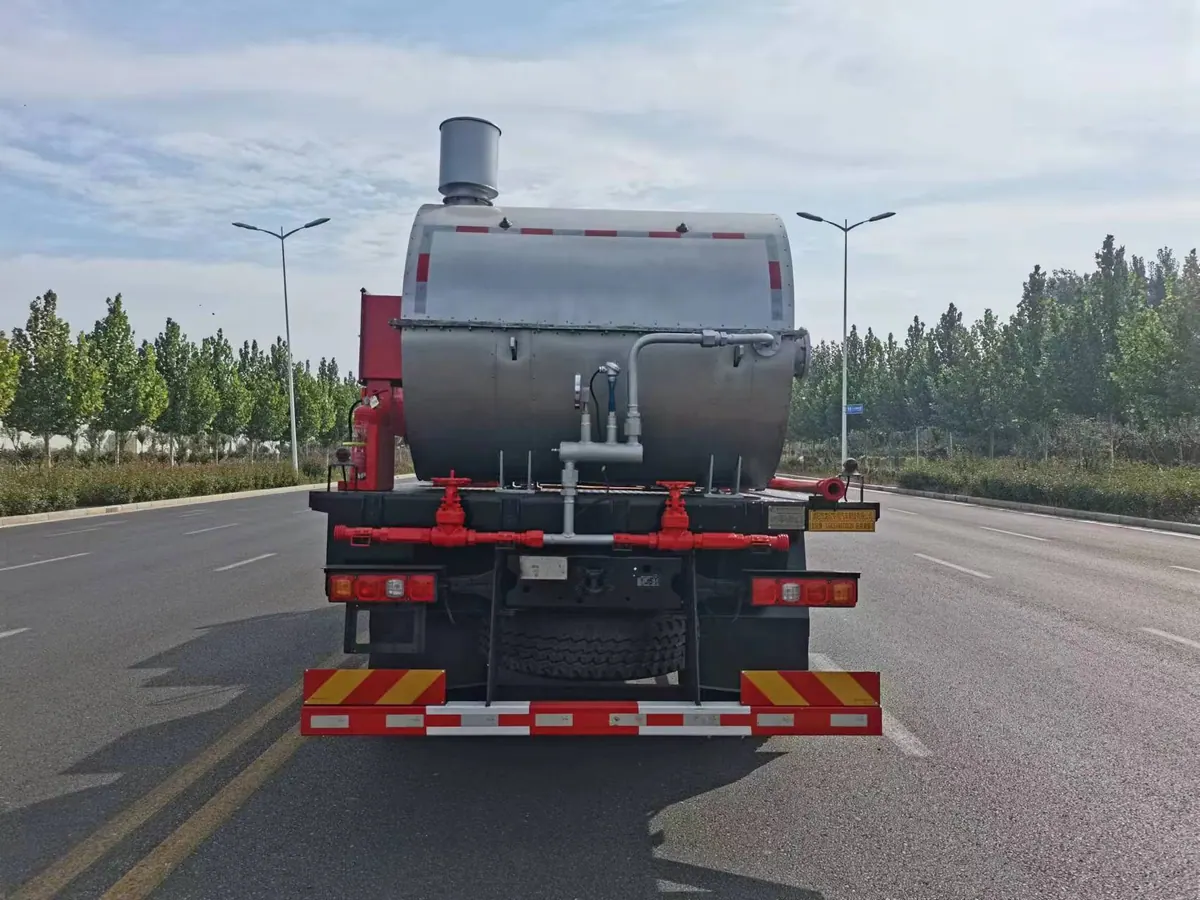
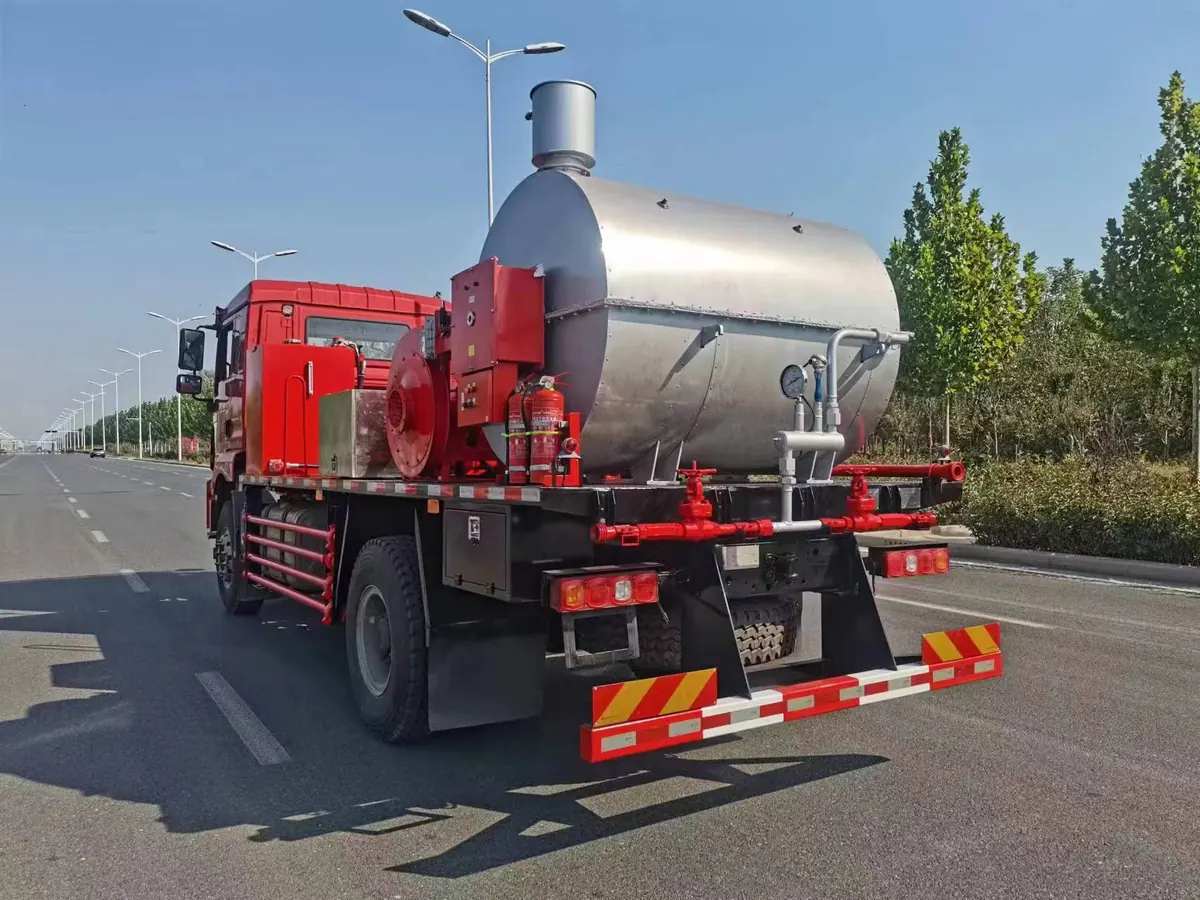
Select the hot oil flushing unit as an identified heating and circulation package for the reviewed fluid and duty. Keep useful thermal output, simultaneous pressure and rate, working duration, coil, burner, pump, tank and control functions on one accepted basis. External receiving connections, fluid recovery, returned-fluid assessment and well-control duties need explicit responsibility boundaries. A component maximum or truck photograph does not establish the complete supplied arrangement. Request relevant provider records, assembly evidence and limitations. Actual operation and maintenance require competent personnel, equipment-specific manufacturer information and approved project procedures rather than an assumed universal treatment sequence.
For the wider equipment scope, consult the Hot Oil Flushing Unit: FAT Checklist. Use the RFQ checklist to collect the supporting documents before requesting a configuration-specific quotation.
Buyer questions
Does a pump-motion counter directly measure every delivered liquid volume?
No. Identify the calculation basis, actual conditions and supporting evidence.
Does one instrument certificate prove the complete installed claim?
No. Review the actual measurement path, conditions and quantity definition.
Background and supplier contact
NIST metrological traceability background offers related background, not certification of the equipment in a quotation. Applicability must be checked for the project and destination.
Explore the hot oil flushing unit, browse all technical resources, or visit Vance Petroleum for company information. Request a hot oil unit proposal with the fluid, useful heating and circulation cases, duration and destination requirements.