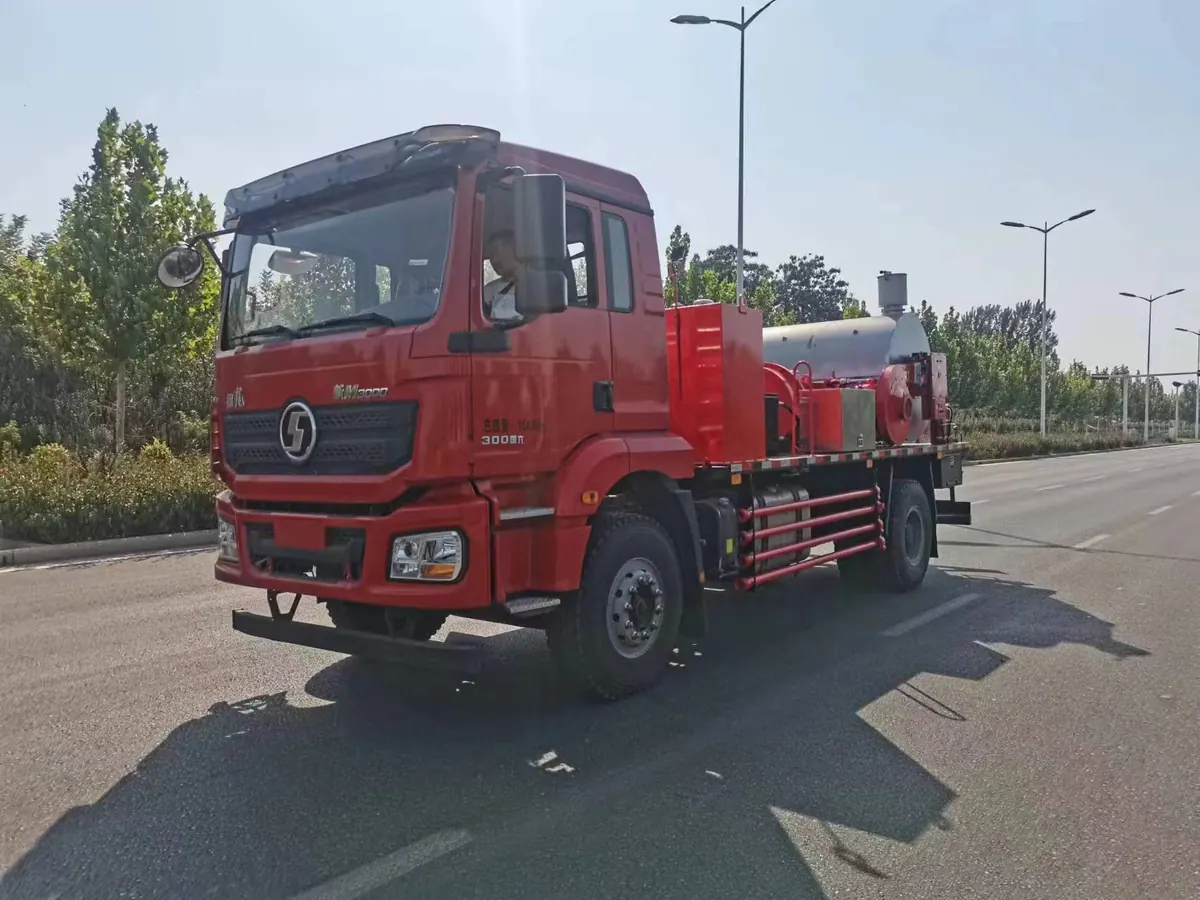
Confirm the actual heated-fluid and circulation assignment
The hot oil flushing unit supplies a selected heating and circulation contribution. Establish the actual fluid, useful thermal duty, simultaneous pressure and rate, working duration and receiving boundary. Separate catalogue maxima do not establish one supported case. Coil, burner, pump, tank and control functions require an identified configuration and relevant provider evidence; dual-fuel capability and other options are not assumed standard.
Equipment capability does not approve every formulation, remove every type of deposit or guarantee a well-production result. Keep steam generation, separately proposed heat-transfer circuits, returned-fluid treatment and well-control duties explicit rather than infer them from a hot-oil label. The complete treatment and external fluid path require competent project review, actual manufacturer information and approved operating procedures.
Draw the thermal circuit
Identify heater outlet, surface line, well connection and return measurement locations. Record insulation, exposed length and the fluid properties used in the job design. The temperature at the heater can differ substantially from the fluid reaching a distant point. Treat measurement locations as part of the specification so the heating unit is not judged against an unstated delivery boundary.
Interpret temperature with circulation rate
A higher rate increases transported fluid quantity but also changes heat demand and pressure loss. Compare outlet and return trends at the approved rate rather than reading either temperature in isolation. A changing difference may reflect initial warming, heat loss, mixing or changing return conditions. It does not uniquely identify deposit removal without additional evidence from the job.
Use the trend to review the treatment
The responsible engineer should define limits and expected stabilization behavior for the actual well and fluid. Record ambient conditions and significant rate changes alongside temperatures. If the expected response is absent, review the route, instruments and thermal calculation before increasing heat input. The equipment’s maximum temperature is a limit, not a universal target for every wax-removal operation.
Evidence to collect for this decision
| Condition | Review action | Useful evidence |
|---|---|---|
| Long surface connection | Account for exposed heat loss | Length, insulation and ambient basis |
| Cold return persists | Check circulation and measurement | Rate and paired temperature trend |
| Higher rate requested | Recheck heater duty and pressure loss | Approved thermal and hydraulic review |
Keep these observations with the equipment reference and operating conditions. When comparing proposals or service findings, check that each record describes the same configuration and duty. Resolve missing inputs with the responsible engineer before treating an estimate as an accepted operating limit.
Review heat delivery together with operating limits
A thermal-duty statement should identify the incoming fluid condition, required outgoing condition, flow and duration. Define the point at which performance is accepted: heater outlet, receiving connection or another agreed location. Losses between those points belong in the engineering calculation. State the equipment and connection temperature limits independently from the desired process result, since a treatment objective does not change a component rating.
Compare startup with established operation and record any significant change in ambient conditions or incoming fluid. The responsible specialist should review the heat balance and the controls needed for the offered arrangement. Fuel, feedwater or circulating-liquid quality can affect suitability as well as capacity. If operation departs from the approved envelope, use the equipment procedure and investigate the cause. Increasing a setpoint without understanding a changed heat balance can obscure the problem and does not demonstrate useful heat at the intended destination.
Apply the review to the offered hot oil flushing unit
Describe the complete heated-fluid circuit and the location at which the treatment condition is required. Include the return stream, expected contamination and recovery destination. The heater outlet rating is one equipment boundary; useful thermal delivery must be evaluated through the actual circulation route.
- Target outlet temperature: record the project range and identify whether the value is measured, calculated or still provisional.
- Circulation pressure: state the accepted limit and the equipment or process boundary to which it applies.
- Required flow rate: include variation through the job instead of relying only on the normal operating value.
- Fluid compatibility: identify the responsible supplier or site team and the evidence needed before acceptance.
- Hazardous-area requirements: review the case that governs this requirement and retain its basis with the equipment records.
The complete package is intended for heating and circulating oil or compatible fluid to dissolve paraffin and restore flow through wells and production lines. Confirm the scope of the duty-selected coil heater, selected circulation pump, insulated fluid tank, temperature and flame-safety controls against the selected duty. Use the specifications and sizing guide for the broader equipment requirements and the RFQ checklist to organize the supporting documents.
Questions about this equipment decision
Is hot oil heater outlet temperature the treatment temperature?
Not necessarily. Heat loss and mixing along the circuit can change the temperature reaching the treatment zone. Define and measure the relevant boundary.
What information helps review this hot oil flushing unit requirement?
Provide length, insulation and ambient basis; rate and paired temperature trend; approved thermal and hydraulic review, together with the installed equipment identification and the proposed operating conditions.
References and project support
Paraffin management methods provides additional background. For the equipment range and company information, visit Vance Petroleum. Share the relevant duty and records when requesting a project-specific review.