Identify the surfaces and functions under review
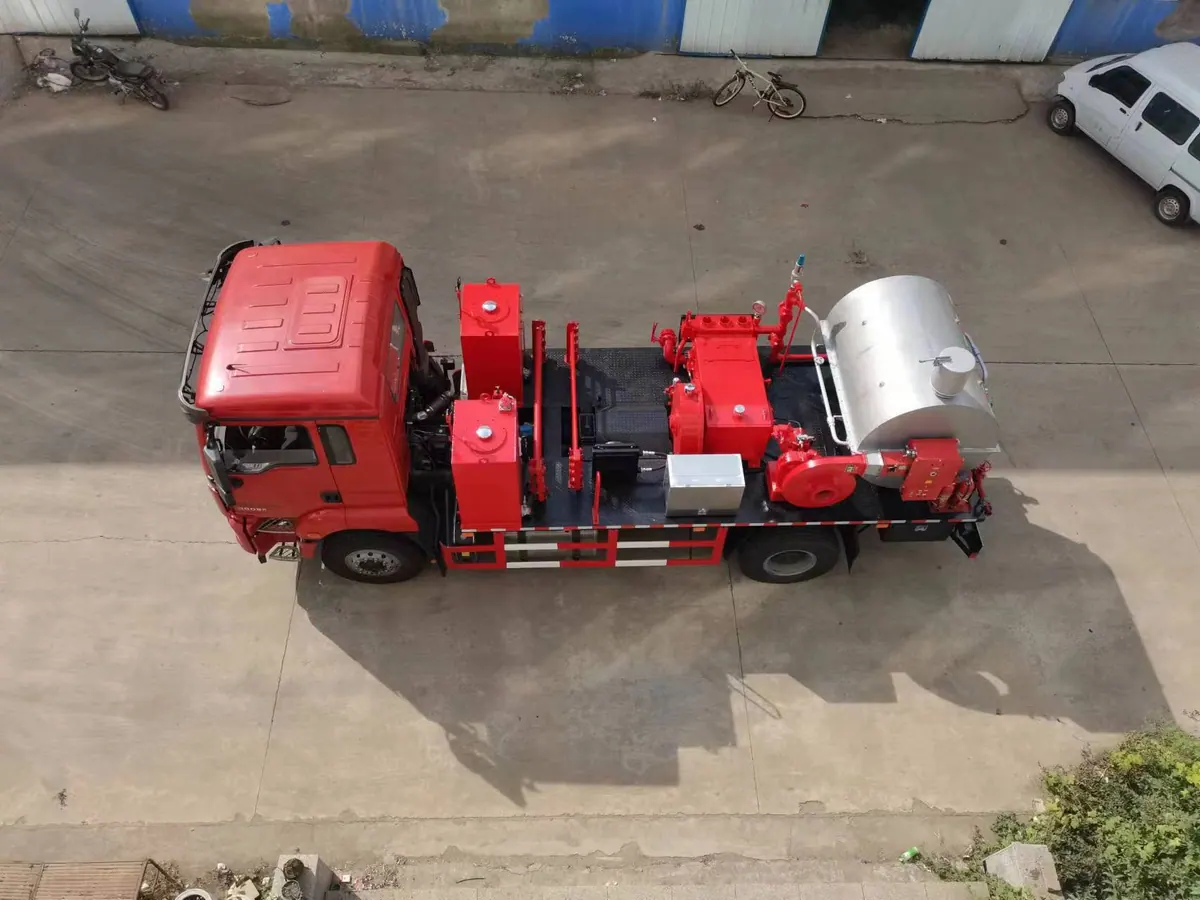
Request an understandable schedule of the relevant hot components, proposed insulation and guards in the actual configuration. Keep thermal-performance features distinguishable from provisions addressing contact or access questions. A wrapped pipe or covered heater does not establish every surface condition or personnel-protection property. Ask the provider to state what each feature supports rather than assume that an insulated-unit label covers all components and every possible working condition.
Connect evidence to the accepted duty
Provide the relevant fluid, thermal, duration and environmental cases for the provider’s assessment. A component surface observation under one setup may not describe every later duty. Keep actual measurement or evaluation conditions identifiable. Procurement should secure appropriate evidence without declaring a universal acceptable touch temperature, instructing personnel to test surfaces by contact or promising that insulation alone resolves every hazard associated with a fired hot oil circulation package.
Ask how inspection and service access are retained
Identify which panels, coverings or guard sections are removable and what relevant access the provider supports. Keep required service space and associated responsibilities in the layout review. A feature that appears easy to remove in a photograph may involve other equipment or configuration-specific restrictions. The purchase should obtain usable manufacturer information and service scope without becoming a field removal procedure or authorizing access while the equipment is in an unreviewed operating state.
Define restoration and replacement scope
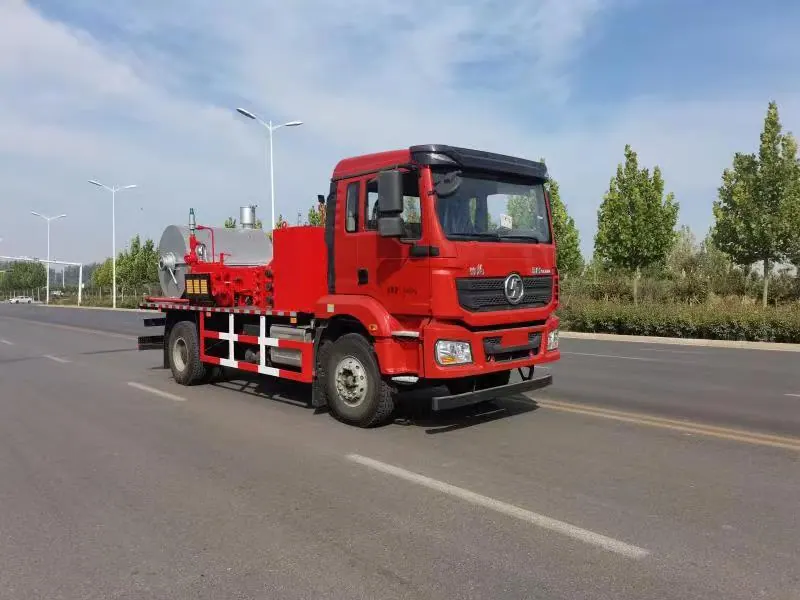
Ask which references identify replacement coverings, fixings and associated supplied parts after approved maintenance. Keep relevant material and assembly information connected to the actual unit. A generic blanket or guard described as similar may not preserve the accepted function or installation basis. Retain provider restrictions and competent service responsibility rather than assume unrestricted interchangeability or treat every visually comparable replacement as equivalent for thermal performance and access protection.
Agree final configuration and verification records
Request the relevant installed-layout and feature records, with conditions and limitations stated. Identify which claims can be assessed before shipment and what remains dependent on actual site arrangements. Later additions, removed panels or replaced insulation should receive the appropriate review. The final handover should let maintenance and operating teams identify the accepted arrangement without inferring complete protection or unchanged performance from an old photograph after the actual configuration has changed.
Buy distinct and maintainable functions rather than an insulated appearance
Require the offer to identify actual equipment boundaries, relevant duties, provided features and evidence. Keep heat-loss performance, contact-related provisions and inspection access as different purchasing questions. A clear assembly can support competent review without guaranteeing that every surface remains at one temperature or that every maintenance action is possible in every state. Retain actual component and layout references so service changes can preserve the intended accepted functions rather than silently modify them through informal replacement choices.
Put these items side by side in the bid review
| Purchase item | Question to resolve | Evidence to request |
|---|---|---|
| Functions | Insulation, guarding or service access? | Identified feature and equipment schedule |
| Evidence | Which duty and conditions support each claim? | Qualified provider response |
| Ownership | How are removed or replaced parts reconciled? | Final references and approved service scope |
Suggested wording for the quotation request
Describe the proposed hot oil truck insulation and guarding by actual equipment boundary and intended function. Identify relevant duty evidence, removable inspection features, service access and replacement references. State limitations and remaining site responsibilities. Keep thermal performance, contact-related provisions and maintenance access distinct rather than infer complete protection or unchanged capability from an insulated appearance or a generic replacement covering.
Select the hot oil flushing unit as an identified heating and circulation package for the reviewed fluid and duty. Keep useful thermal output, simultaneous pressure and rate, working duration, coil, burner, pump, tank and control functions on one accepted basis. External receiving connections, fluid recovery, returned-fluid assessment and well-control duties need explicit responsibility boundaries. A component maximum or truck photograph does not establish the complete supplied arrangement. Request relevant provider records, assembly evidence and limitations. Actual operation and maintenance require competent personnel, equipment-specific manufacturer information and approved project procedures rather than an assumed universal treatment sequence.
For the wider equipment scope, consult the Hot Oil Flushing Unit: Operator Inspection. Use the RFQ checklist to collect the supporting documents before requesting a configuration-specific quotation.
Buyer questions
Does insulation establish every personnel-protection property?
No. Review actual duties, surfaces, functions and relevant evidence.
Can any similar covering be assumed an equivalent service replacement?
No. Confirm the accepted assembly and provider-supported replacement basis.
Background and supplier contact
OSHA oil and gas extraction guidance offers related background, not certification of the equipment in a quotation. Applicability must be checked for the project and destination.
Explore the hot oil flushing unit, browse all technical resources, or visit Vance Petroleum for company information. Request a hot oil unit proposal with the fluid, useful heating and circulation cases, duration and destination requirements.