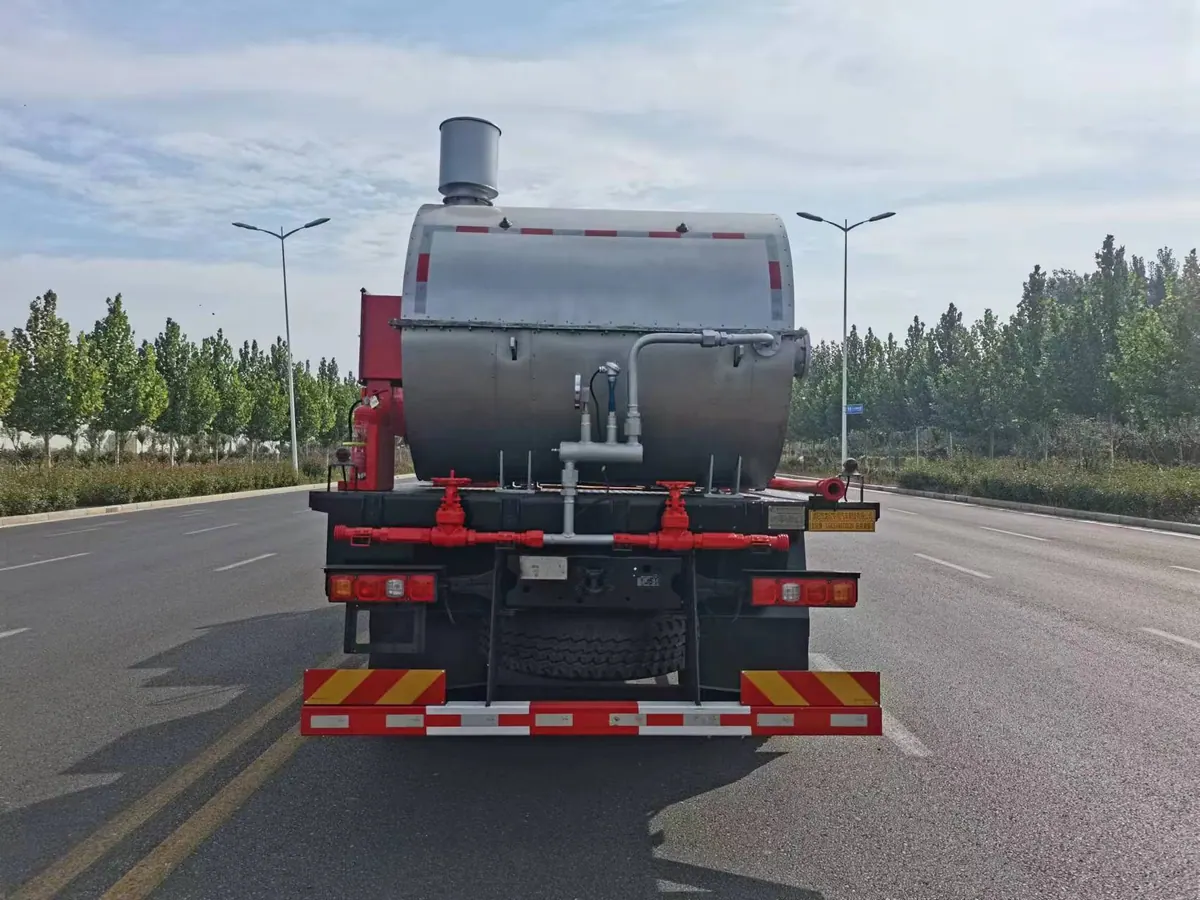
Define the intended role of each compartment
Identify which fluids may enter each tank section and why the purchaser needs separation. Keep fresh treating fluid, recovered material and other services distinguishable. A total tank-capacity figure does not establish usable compartment duties or the complete contamination boundary. Ask the provider to state actual layout and restrictions rather than assume that every truck includes a dedicated recovery compartment or that a divided tank automatically qualifies every return stream.
Trace separation beyond the tank wall
Request the relevant connections, common lines, pumps and other fluid-path information needed for competent review. An internal partition is only one part of the arrangement. Shared equipment can affect the assumptions behind a clean-fluid designation. The order should identify which paths are separate, shared or external, without treating one label, two access openings or a reference photograph as proof of isolation throughout the supplied circulation system.
Describe the actual returned-fluid information
Provide available temperature, composition, solids and other relevant condition data for the intended recovery service. Returning fluid is not automatically suitable for a clean-fluid tank or another heating pass. Ask what the equipment provider can accept within its actual supplied boundary. Keep sample assessment, reuse approval and waste or external handling responsibilities explicit rather than infer treatment capability from the presence of a compartment labelled return.
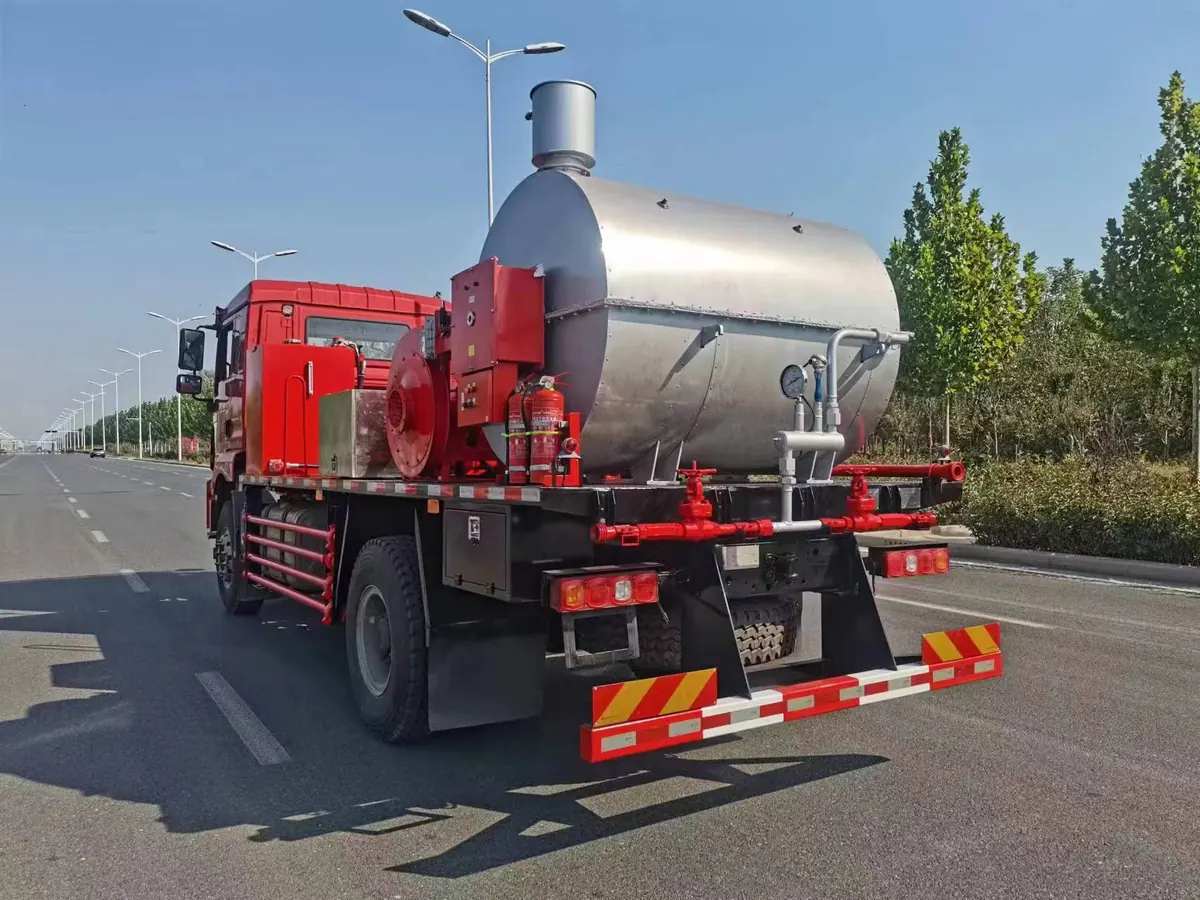
Agree identification and verification responsibilities
Ask how delivered tanks, connections and relevant functions can be matched to the accepted compartment schedule. Define the evidence needed for the claimed separation and actual service basis with competent responsible parties. Procurement should not prescribe a universal field isolation or cleaning sequence. The objective is an understandable configuration and acceptance record, with limitations retained and external connected equipment clearly assigned to the party that supplies and reviews it.
Control later additions to the fluid path
Require proposed piping, pump, tank or return-handling changes to identify effects on the separation basis. An added convenient connection can change the arrangement originally assessed. Keep final configuration records available to operating and maintenance teams. The purchasing decision should not let a later component modification silently inherit the clean-fluid or recovery designation from an earlier drawing that no longer describes the actual truck.
Buy a complete separation claim with an identified boundary
Require the provider to connect compartment names, fluid-service restrictions and relevant paths to the actual delivered assembly. Keep storage volume, separation, recovery and reuse approval as different questions. A divided tank can be useful without constituting a complete returned-fluid treatment system. Retain the evidence and assigned responsibilities so purchasers can understand what belongs on the truck and what remains with external providers. Do not promise universal contamination prevention or reuse suitability from the tank layout alone.
Put these items side by side in the bid review
| Purchase item | Question to resolve | Evidence to request |
|---|---|---|
| Purpose | Which fluids belong in each compartment? | Accepted service and volume schedule |
| Paths | Which connected equipment is shared? | Actual fluid-path drawing |
| Evidence | What supports the separation claim? | Qualified configuration and acceptance scope |
Suggested wording for the quotation request
Describe the hot oil truck’s proposed clean-fluid and return-compartment arrangement. Identify actual tank sections, connected piping, shared equipment and intended fluid restrictions. State separation evidence, delivered identification and external recovery or reuse responsibilities. Review later connection changes against the same basis rather than infer a complete contamination barrier or returned-fluid treatment capability from compartment labels alone.
Select the hot oil flushing unit as an identified heating and circulation package for the reviewed fluid and duty. Keep useful thermal output, simultaneous pressure and rate, working duration, coil, burner, pump, tank and control functions on one accepted basis. External receiving connections, fluid recovery, returned-fluid assessment and well-control duties need explicit responsibility boundaries. A component maximum or truck photograph does not establish the complete supplied arrangement. Request relevant provider records, assembly evidence and limitations. Actual operation and maintenance require competent personnel, equipment-specific manufacturer information and approved project procedures rather than an assumed universal treatment sequence.
For the wider equipment scope, consult the Hot Oil Flushing Returns: Fluid Recovery and Segregation. Use the RFQ checklist to collect the supporting documents before requesting a configuration-specific quotation.
Buyer questions
Does a partition establish separation through every connected line?
No. Review the complete supplied and external fluid paths.
Does a recovery compartment make returned fluid suitable for reuse?
No. Retain separate assessment and acceptance responsibilities for the actual return.
Background and supplier contact
OSHA oil and gas extraction guidance offers related background, not certification of the equipment in a quotation. Applicability must be checked for the project and destination.
Explore the hot oil flushing unit, browse all technical resources, or visit Vance Petroleum for company information. Request a hot oil unit proposal with the fluid, useful heating and circulation cases, duration and destination requirements.