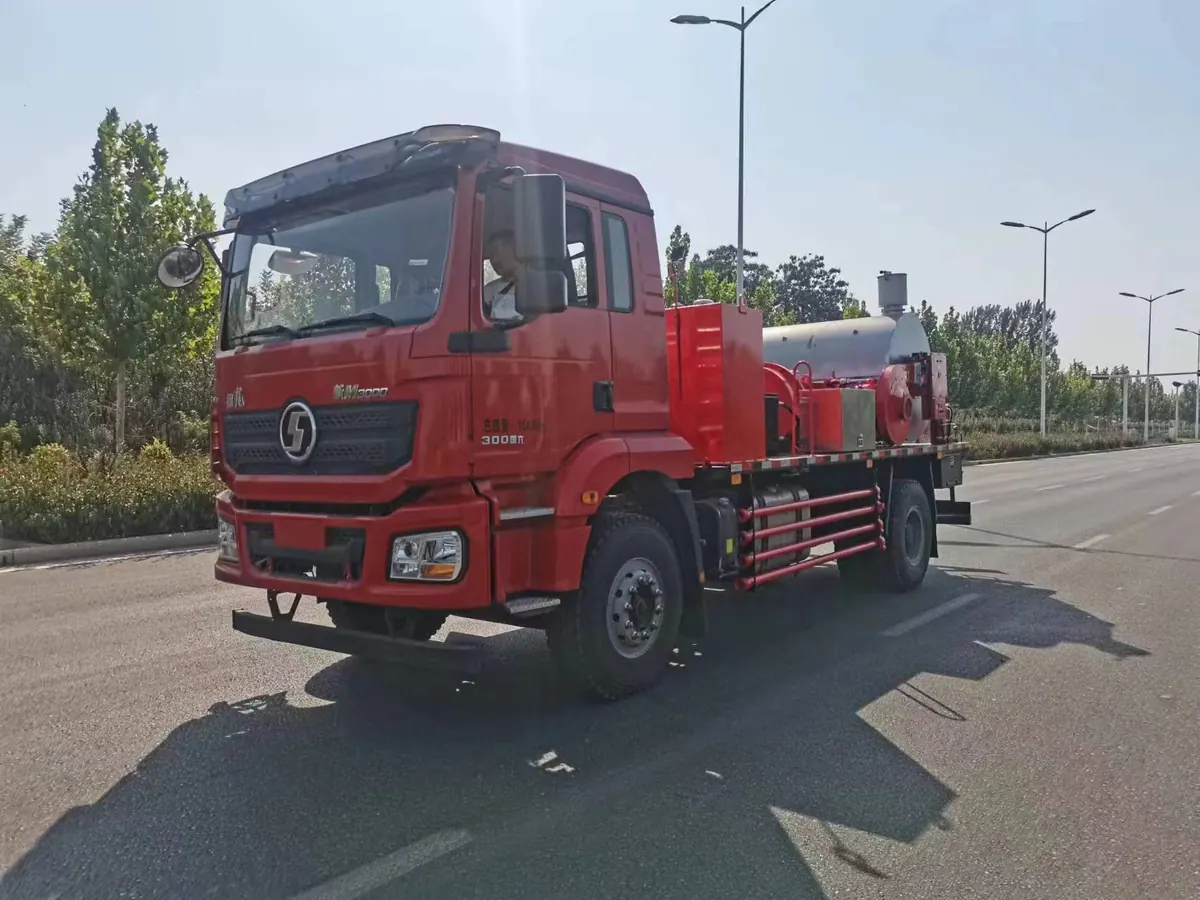
Confirm the actual heated-fluid and circulation assignment
The hot oil flushing unit supplies a selected heating and circulation contribution. Establish the actual fluid, useful thermal duty, simultaneous pressure and rate, working duration and receiving boundary. Separate catalogue maxima do not establish one supported case. Coil, burner, pump, tank and control functions require an identified configuration and relevant provider evidence; dual-fuel capability and other options are not assumed standard.
Equipment capability does not approve every formulation, remove every type of deposit or guarantee a well-production result. Keep steam generation, separately proposed heat-transfer circuits, returned-fluid treatment and well-control duties explicit rather than infer them from a hot-oil label. The complete treatment and external fluid path require competent project review, actual manufacturer information and approved operating procedures.
Compare the demand before inspecting the heater
Check whether inlet temperature fell, circulation increased or a colder return entered the circuit. Each can increase the heat required to maintain the previous outlet temperature. Compare those inputs with fuel use and burner demand at the same time. A heater can be operating normally yet be unable to meet a newly increased duty within its approved output.
Verify sensing and combustion evidence
Confirm that the temperature sensor is reading the intended stream and that its calibration and signal are credible. Review recorded burner alarms and the approved fuel conditions. Flame observation alone does not establish correct combustion. A combustion problem requires competent inspection using the installed burner’s service procedure; repeated resets or bypassing a protective function do not diagnose the cause.
Check heat-transfer deterioration
Deposits or fouling can impair heat transfer, but the cleaning method must suit the coil and process fluid. Compare performance with the accepted baseline at a similar duty. Preserve temperature, rate and fuel records before shutdown, then use the approved isolated inspection procedure. Ask for findings that distinguish a heat-transfer problem from a capacity or instrumentation issue.
Evidence to collect for this decision
| Condition | Review action | Useful evidence |
|---|---|---|
| Colder inlet | Recalculate required heat input | Inlet, outlet and rate trend |
| Burner alarm | Review fuel and combustion system | Fault record and service findings |
| Gradual decline | Assess fouling at comparable duty | Baseline and inspection evidence |
Keep these observations with the equipment reference and operating conditions. When comparing proposals or service findings, check that each record describes the same configuration and duty. Resolve missing inputs with the responsible engineer before treating an estimate as an accepted operating limit.
Turn the symptom into a traceable service decision
Useful fault records describe the condition immediately before the symptom, its duration and the operating response. Include the equipment identification, installed part references, fluid or process conditions and the last relevant maintenance. Compare with a baseline recorded when performance was acceptable. If several readings changed, retain their timing: the first change may help distinguish the initiating problem from its consequences.
A service decision should identify what will be inspected, what evidence permits reuse and what finding requires replacement or specialist assessment. The original equipment instructions govern isolation, disassembly and return to service. Keep removed-part findings with the work record. After an approved repair, verify the affected function under the agreed conditions and monitor for recurrence. Replacing a component can restore operation without proving the original cause has been removed, so the follow-up observation is part of the diagnosis.
Apply the review to the offered hot oil flushing unit
Describe the complete heated-fluid circuit and the location at which the treatment condition is required. Include the return stream, expected contamination and recovery destination. The heater outlet rating is one equipment boundary; useful thermal delivery must be evaluated through the actual circulation route.
- Target outlet temperature: record the project range and identify whether the value is measured, calculated or still provisional.
- Circulation pressure: state the accepted limit and the equipment or process boundary to which it applies.
- Required flow rate: include variation through the job instead of relying only on the normal operating value.
- Fluid compatibility: identify the responsible supplier or site team and the evidence needed before acceptance.
- Hazardous-area requirements: review the case that governs this requirement and retain its basis with the equipment records.
The complete package is intended for heating and circulating oil or compatible fluid to dissolve paraffin and restore flow through wells and production lines. Confirm the scope of the duty-selected coil heater, selected circulation pump, insulated fluid tank, temperature and flame-safety controls against the selected duty. Use the specifications and sizing guide for the broader equipment requirements and the RFQ checklist to organize the supporting documents.
Questions about this equipment decision
Should the burner setting be increased when hot oil temperature falls?
Only within the approved operating procedure after the cause is understood. Changed flow or inlet temperature may explain the decline without a burner fault.
What information helps review this hot oil flushing unit requirement?
Provide inlet, outlet and rate trend; fault record and service findings; baseline and inspection evidence, together with the installed equipment identification and the proposed operating conditions.
References and project support
Paraffin management methods provides additional background. For the equipment range and company information, visit Vance Petroleum. Share the relevant duty and records when requesting a project-specific review.