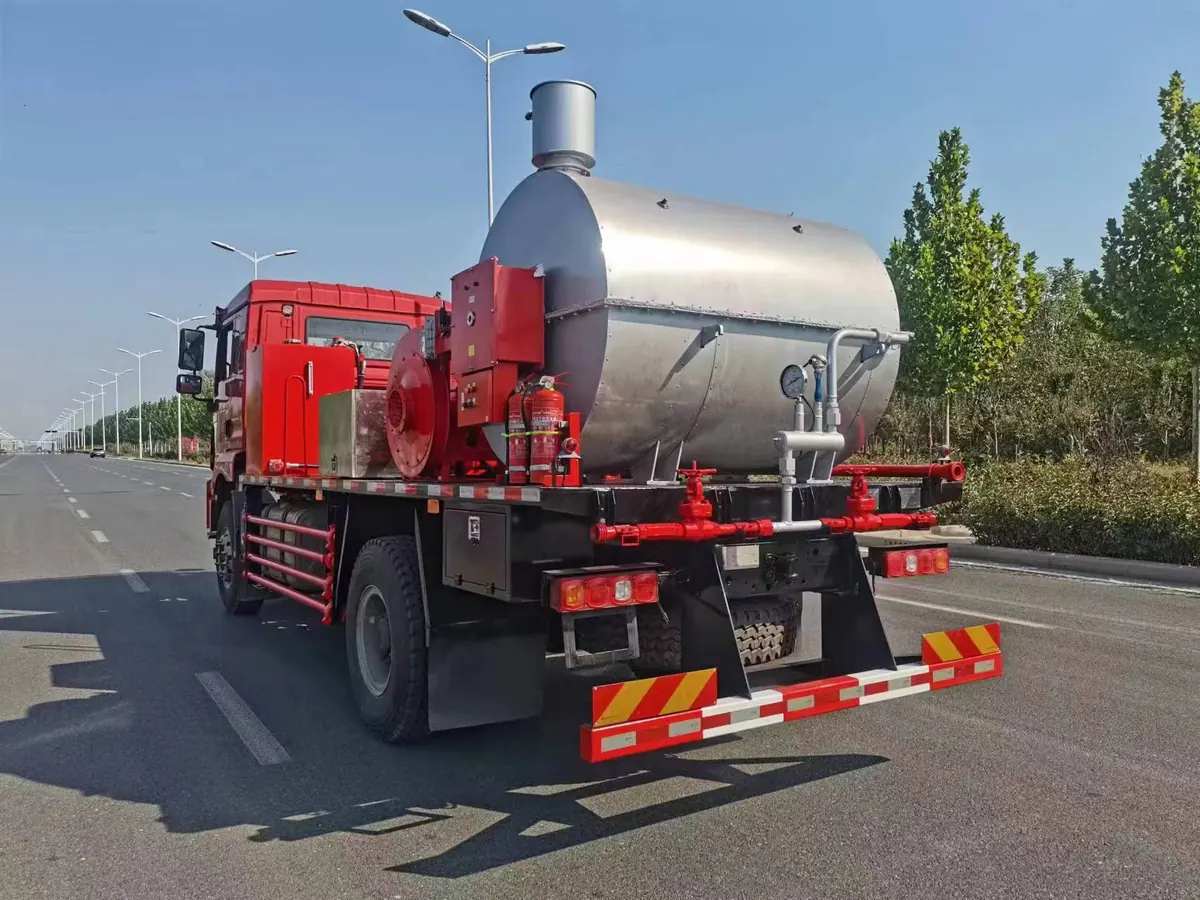
Identify the equipment that is actually being sold
Request the chassis, heater coil, burner, pump and tank references for each offered truck. Keep later modifications and replacement assemblies visible. A model year or familiar body style does not identify every installed component. For a new build, obtain the proposed configuration schedule; for used equipment, establish the current assembly rather than assume it still matches the original brochure or the earliest inspection records supplied with the vehicle.
Ask for a reviewable service and repair history
Request available operating, fluid-service, maintenance and significant repair records, with gaps clearly identified. A low odometer reading says little about stationary heating or pumping exposure. Ask which records relate to the actual coil, tank and pump rather than the chassis alone. Missing information should become an explicit assessment and commercial question, not be replaced by an assumed remaining life or an unsupported claim that the equipment was lightly used.
Agree appropriate condition and inspection evidence
Have competent responsible parties identify what inspection and verification are needed for the offered equipment and intended duty. A recent engine service does not establish the condition of the heated-fluid path. Likewise, a single component test does not qualify every supporting function or external interface. Ask who performs and reviews the evidence, which items remain uncertain and what work must be completed before the actual unit can be accepted for its proposed assignment.
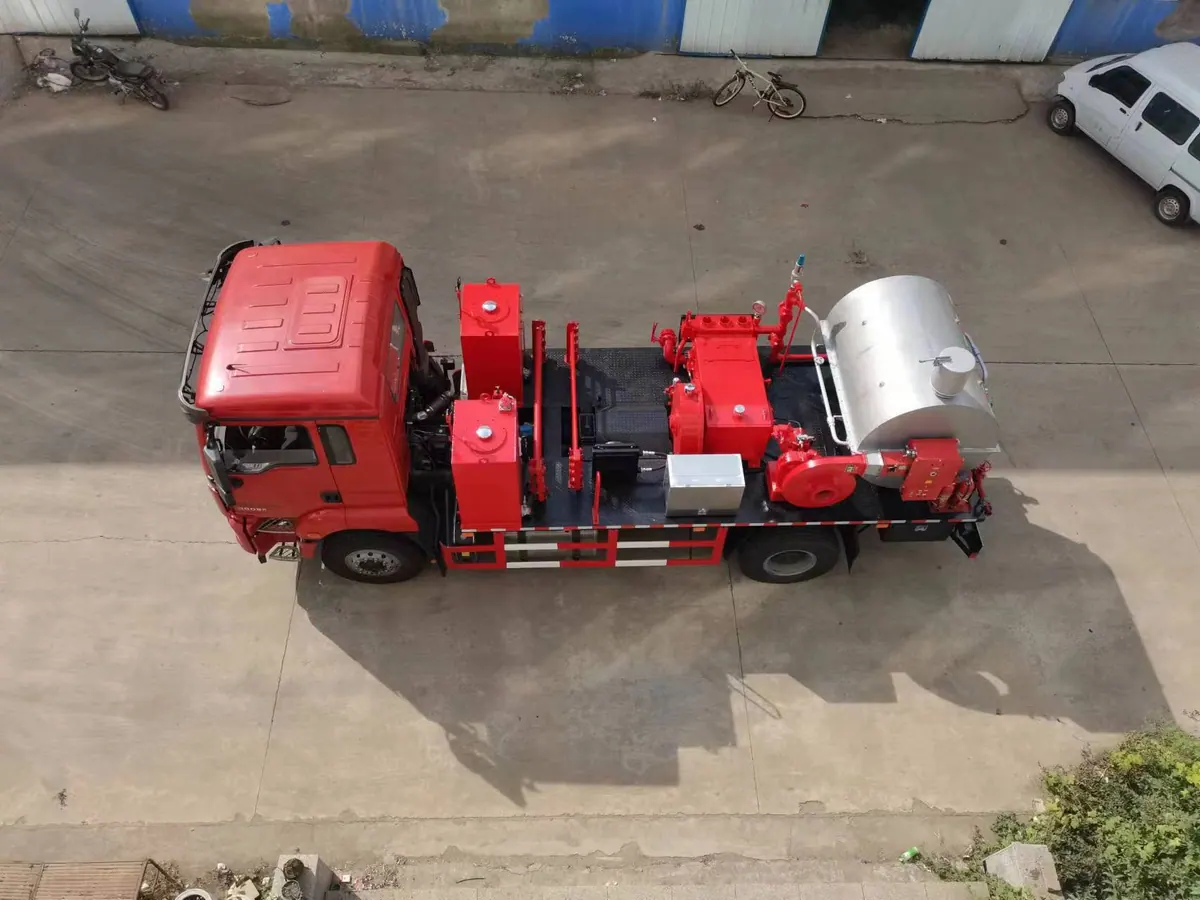
Compare the supported heating and circulation case
Provide the same fluid, inlet and outlet conditions, pressure, rate and working duration for both offers. Ask the provider to state the capability supported by the actual assembly and condition evidence. Do not assume that an original nameplate maximum is the current usable duty of a modified truck. Separate equipment performance from well-treatment results, and retain any restrictions or unresolved requirements affecting the intended circulation path.
Put restoration and ownership scope into the price review
Identify included repairs, missing records, required options, spares, destination review and service responsibilities. A low purchase price can transfer substantial assessment and restoration work to the purchaser. A new build also needs a clear acceptance basis rather than automatic credit for every advertised option. Compare transparent scopes and qualified evidence without promising that either age category always provides lower lifetime cost or immediate readiness at every field location.
Buy a known condition and duty contribution
Require the offer to identify what is known, what remains to be assessed and who resolves each acceptance condition. Keep chassis condition, heated-fluid equipment, controls and project suitability as separate questions. A used truck may suit a defined purchase after appropriate review, while a new unit may better match another scope. Neither description replaces configuration and condition evidence. Retain limitations and final equipment references so the selected truck enters ownership with understandable records instead of an assumed remaining service life.
Put these items side by side in the bid review
| Purchase item | Question to resolve | Evidence to request |
|---|---|---|
| Identity | Which assemblies are installed now? | Current equipment and modification schedule |
| Condition | What evidence and gaps remain? | Qualified inspection and repair review |
| Cost | Which acceptance work is included? | Comparable supplied and restoration scope |
Suggested wording for the quotation request
Compare the new and used hot oil truck options against the attached heating and circulation duty. Identify actual coil, burner, pump, tank and chassis references, service history, modifications and condition evidence. State required assessment, repairs, missing records and acceptance responsibilities. Separate supported equipment duty from treatment results and avoid estimating remaining life or project readiness solely from age, appearance or odometer reading.
Select the hot oil flushing unit as an identified heating and circulation package for the reviewed fluid and duty. Keep useful thermal output, simultaneous pressure and rate, working duration, coil, burner, pump, tank and control functions on one accepted basis. External receiving connections, fluid recovery, returned-fluid assessment and well-control duties need explicit responsibility boundaries. A component maximum or truck photograph does not establish the complete supplied arrangement. Request relevant provider records, assembly evidence and limitations. Actual operation and maintenance require competent personnel, equipment-specific manufacturer information and approved project procedures rather than an assumed universal treatment sequence.
For the wider equipment scope, consult the Hot Oil Flushing Unit: Price and Cost Guide. Use the RFQ checklist to collect the supporting documents before requesting a configuration-specific quotation.
Buyer questions
Does low vehicle mileage establish low heater exposure?
No. Review stationary heating, pumping and actual component service history separately.
Does a new truck automatically need no acceptance review?
No. Confirm the actual configuration, evidence and project requirements.
Background and supplier contact
OSHA oil and gas extraction guidance offers related background, not certification of the equipment in a quotation. Applicability must be checked for the project and destination.
Explore the hot oil flushing unit, browse all technical resources, or visit Vance Petroleum for company information. Request a hot oil unit proposal with the fluid, useful heating and circulation cases, duration and destination requirements.