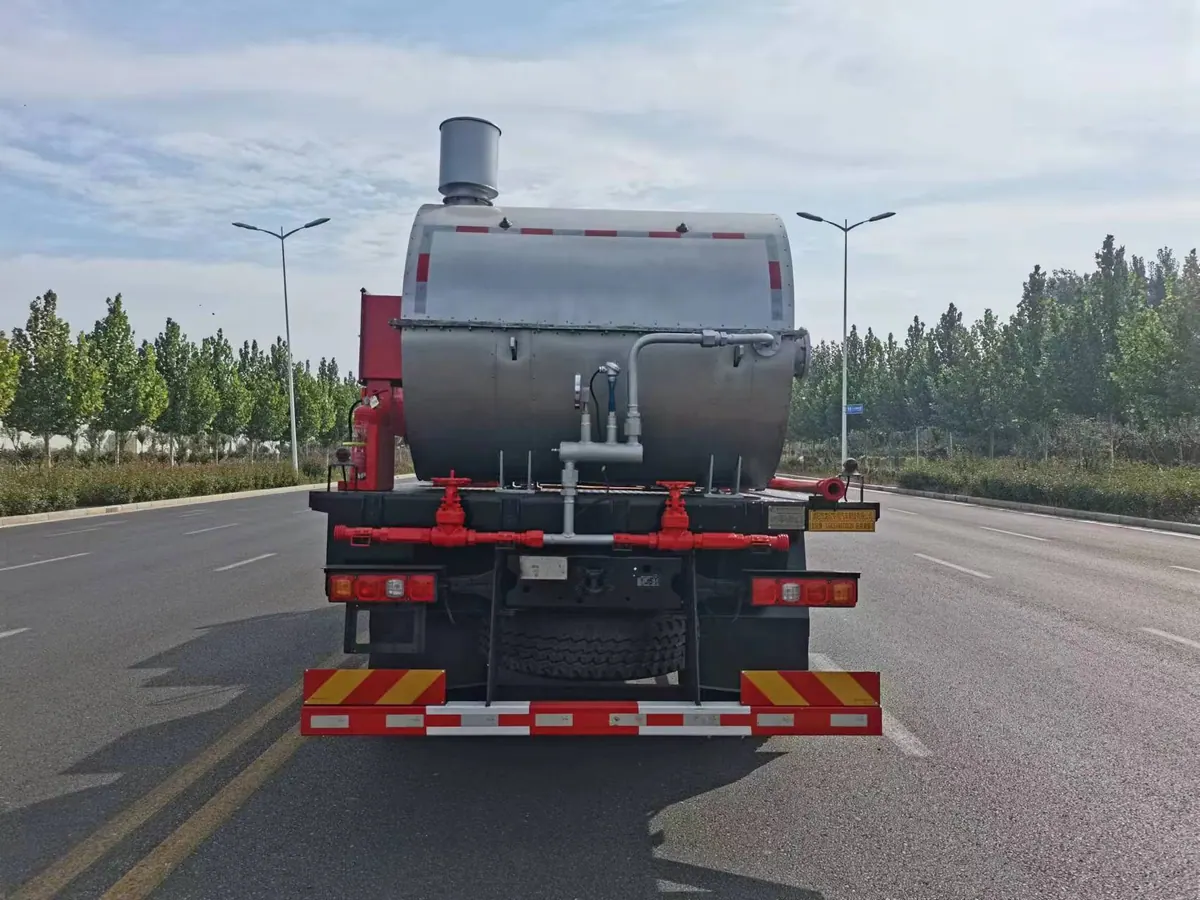
Identify the heater and existing coil configuration
Provide actual heater, burner and coil references, available drawings and relevant service records. Keep previous modifications and uncertainty visible. A truck model or an approximate coil dimension may cover more than one installed arrangement. Ask the provider to identify the exact replacement basis rather than assume that every coil supplied for a similar vehicle or heat-input class is mechanically and thermally interchangeable with the equipment currently in service.
Keep thermal and hydraulic requirements connected
State the actual fluid, temperature, pressure, rate and duration cases the replacement must support. A physically similar component can have a different heat-transfer or pressure-loss basis. Ask the supplier and integrator to reconcile the proposed coil with the pump, burner and accepted fluid path. Do not treat the original truck nameplate as automatic evidence that a different assembly preserves every simultaneous operating point or manufacturer restriction.
Review installation and service interfaces
Request relevant mounting, connection, enclosure and access information for competent assessment. Identify which supporting items are included and what must be retained, replaced or supplied externally. The purchase should expose actual installation work rather than assume that a bare coil quote includes all associated hardware and service resources. Keep lifting and installation planning with qualified responsible parties and manufacturer information, not a universal replacement procedure supplied as sales copy.
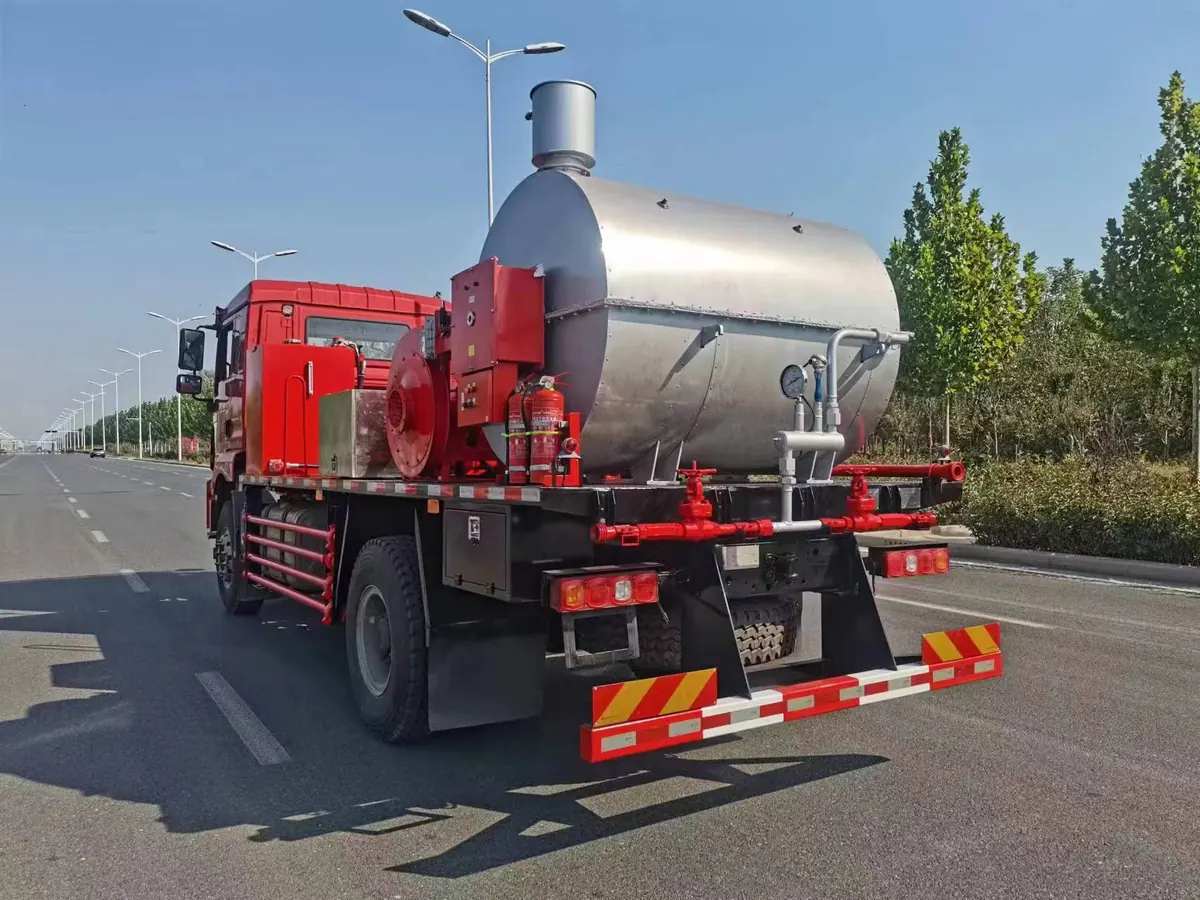
Assign component and changed-assembly evidence
Ask which inspection and test records identify the actual replacement item, and which checks establish the changed heater’s accepted functions and duty. A component certificate does not qualify every installation or burner interface. Retain any provider restrictions and remaining site review. The bidder should state responsibility for the complete accepted change rather than leave the coil manufacturer, service contractor and truck owner assuming that another party has verified the assembled result.
Reconcile final records and future spares
Request updated configuration references, relevant instructions and actual consumable or connection changes at handover. A replacement should not enter service under obsolete coil identification or an incompatible spare-parts list. Keep authorized deviations and verification records linked to the installed item. This supports later ownership without assuming a universal service-life extension, guaranteed efficiency gain or unrestricted reuse of every original heater rating after a component substitution.
Order the supported changed arrangement, not only the metalwork
Require the quote to distinguish the replacement component, installation contribution and complete-unit acceptance scope. Keep actual duty, relevant interfaces and provider restrictions in one reviewable record. A replacement coil may resolve a specific equipment need without being a universal upgrade or guaranteeing a particular maintenance interval. The purchasing decision should state who qualifies the changed assembly and what remains external, with final identification available for future service rather than relying on visual similarity or the earliest truck brochure.
Put these items side by side in the bid review
| Purchase item | Question to resolve | Evidence to request |
|---|---|---|
| Basis | Which heater and coil revision are being replaced? | Controlled existing-equipment record |
| Fit and duty | Which interfaces and operating cases are supported? | Configuration-specific replacement response |
| Acceptance | Who verifies the installed changed assembly? | Component and installation evidence schedule |
Suggested wording for the quotation request
Quote the replacement coil for the identified hot oil truck heater and attached service cases. State thermal and hydraulic capability, relevant mounting and connection interfaces, supplied hardware and installation responsibilities. Identify component records, changed-assembly verification and final documentation. Do not infer equivalence, unrestricted original ratings or a guaranteed service improvement solely from overall dimensions or a similar heater model.
Select the hot oil flushing unit as an identified heating and circulation package for the reviewed fluid and duty. Keep useful thermal output, simultaneous pressure and rate, working duration, coil, burner, pump, tank and control functions on one accepted basis. External receiving connections, fluid recovery, returned-fluid assessment and well-control duties need explicit responsibility boundaries. A component maximum or truck photograph does not establish the complete supplied arrangement. Request relevant provider records, assembly evidence and limitations. Actual operation and maintenance require competent personnel, equipment-specific manufacturer information and approved project procedures rather than an assumed universal treatment sequence.
For the wider equipment scope, consult the Hot Oil Flushing Unit: Maintenance Guide. Use the RFQ checklist to collect the supporting documents before requesting a configuration-specific quotation.
Buyer questions
Does a coil fitting inside the enclosure prove full replacement suitability?
No. Review thermal duty, hydraulic behavior, connections and the accepted heater assembly.
Does component evidence replace installation verification?
No. Assign the relevant component and changed-assembly acceptance responsibilities.
Background and supplier contact
SLB hot oiling background offers related background, not certification of the equipment in a quotation. Applicability must be checked for the project and destination.
Explore the hot oil flushing unit, browse all technical resources, or visit Vance Petroleum for company information. Request a hot oil unit proposal with the fluid, useful heating and circulation cases, duration and destination requirements.